Understanding Calvados: Apples, Distillation and Terroir
An exploration of France's distinguished apple brandy and its quiet influence on craft distillers worldwide.
Beyond the vineyards that produce France's celebrated grape brandies lies a landscape of rolling orchards where a different tradition flourishes. Calvados, the apple brandy of Normandy, represents one of the world's great distilled spirits, yet it remains curiously underappreciated outside its native region and the circles of devoted enthusiasts. This oversight denies many the pleasure of discovering a spirit of remarkable complexity and heritage, one that transforms the humble apple into liquid gold through patient craft and time honored methods.
The orchards of Normandy have produced cider for over a millennium, and the distillation of that cider into brandy follows closely behind in historical record. Today, Calvados occupies a unique position in the spirits world, cherished by those who know it while remaining largely unexplored by broader audiences. For the curious professional or enthusiast, this apple brandy offers both immediate rewards and depths that reveal themselves over years of exploration. Understanding Calvados opens appreciation for how terroir, tradition, and technique combine to create something irreplaceable.
Despite its historic roots and artisanal character, Calvados remains one of France’s most underappreciated fine spirits, offering exceptional value and versatility.
From Blossom to Barrel
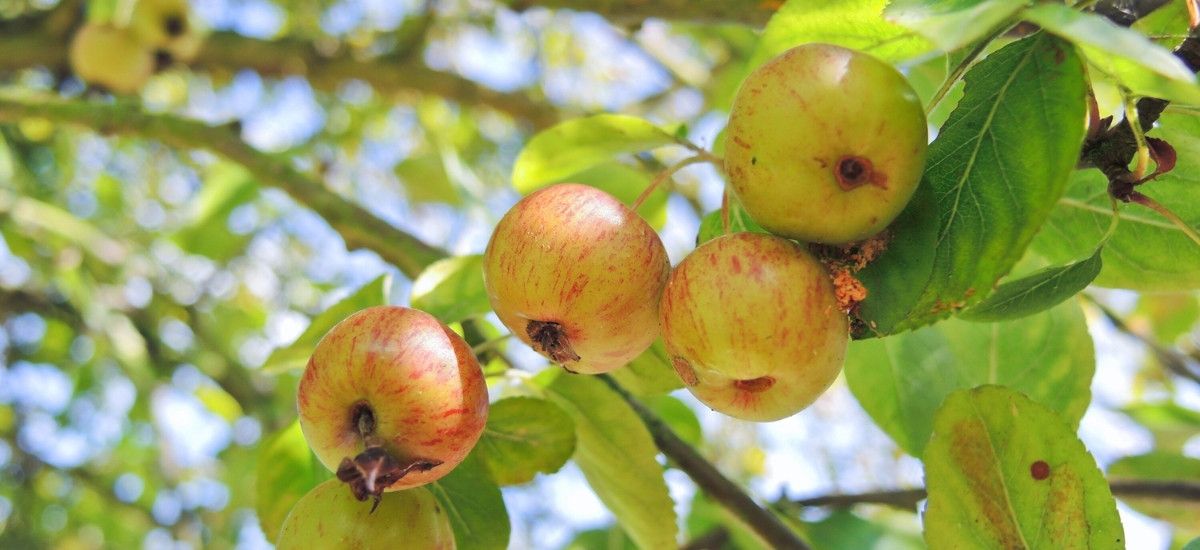
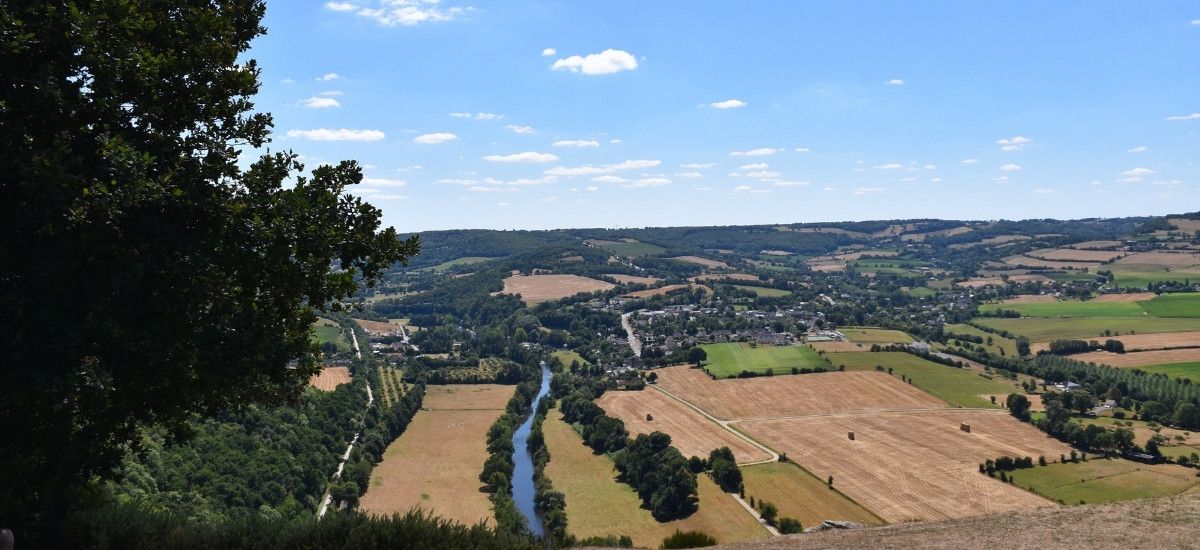
The production of Calvados begins in the orchards that define the Norman countryside, where hundreds of apple varieties grow alongside select pears in some appellations. Unlike table fruit prized for sweetness and appearance, cider apples are cultivated for their contribution to fermentation and eventual distillation. Bitter, bittersweet, sweet, and acidic varieties combine in proportions guarded by each producer, creating base ciders of complexity before distillation even begins. Following fermentation, the cider undergoes distillation according to methods dictated by appellation.
Calvados Pays d'Auge, the most prestigious designation, requires double distillation in traditional copper pot stills, a method producing refined, elegant spirits. Other Calvados appellations permit single column distillation, yielding fruitier, more immediately accessible expressions. Following distillation, the clear spirit enters oak barrels for aging, where it gradually acquires color, depth, and the integration of fruit and wood that defines mature Calvados. Age statements follow familiar patterns, with Fine indicating at least two years in barrel, Vieux requiring three years, and designations like XO and Hors d'Age demanding minimum aging of six years or more. The finest examples age for decades, achieving complexity rivaling the greatest Cognacs and Armagnacs.
Three Appellations, Distinct Identities
Calvados production concentrates in three protected appellations, each reflecting specific terroir and production requirements. Calvados Pays d'Auge, centered in the lush eastern portion of Normandy, maintains the strictest standards. Only pot still distillation is permitted, and the region's clay and limestone soils produce apples of particular finesse. Expressions from Pays d'Auge tend toward elegance and aromatic complexity, with pronounced floral and spice notes developing alongside fruit character during extended aging. Calvados Domfrontais, the smallest appellation, requires a minimum of thirty percent pears in its blend, creating spirits with distinctive texture and flavor profiles.
The remaining production falls under the broader Calvados appellation, permitting column distillation and offering more accessible expressions that emphasize fresh apple character. Within these appellations, several producers have achieved particular distinction. Domaine Dupont combines organic farming with meticulous cellar work to produce critically acclaimed expressions. Christian Drouin offers a range spanning approachable to exceptional, with aged bottlings rivaling any French brandy. Roger Groult, Château du Breuil, and Père Magloire represent established houses maintaining quality across significant production volumes. Smaller artisanal producers increasingly attract attention as enthusiasts seek distinctive, terroir driven expressions.
An Influence That Crosses Oceans
The craft distilling movement that has transformed spirits production worldwide has not overlooked the apple brandy tradition. American producers, particularly in historic apple growing regions like New England and the Pacific Northwest, have embraced the category with enthusiasm. Laird's, the oldest licensed distillery in the United States, continues a tradition of American apple brandy predating the nation itself, while newer entrants explore innovative approaches alongside traditional methods. Oregon and Washington producers benefit from exceptional fruit quality, creating expressions that honor French tradition while expressing distinct regional character.
In England, the revival of cider making has naturally extended to distillation, with producers in Somerset and other traditional cider regions crafting apple brandies of increasing sophistication. These global expressions, while not entitled to the Calvados name, demonstrate the universal appeal of apple brandy and expand the category's reach. For Calvados itself, this international interest creates both opportunity and urgency. Increased awareness of apple brandy benefits Norman producers, yet competition from quality alternatives challenges complacency. The future likely belongs to those who communicate terroir, tradition, and quality effectively while welcoming new enthusiasts to the category.
The Takeaway
Calvados represents something increasingly rare in the contemporary spirits landscape: a category of genuine heritage producing expressions of undeniable quality yet remaining accessible to those willing to explore. While collectors battle for allocated whiskies and bourbon prices escalate beyond reason, exceptional aged Calvados offers remarkable value, providing decades of maturation at fractions of comparable prices in fashionable categories. This value proposition alone merits attention, but Calvados deserves appreciation on terms beyond economics. The spirit embodies a relationship between people and land spanning centuries, transforming the autumn harvest into something that improves across decades in barrel.
Its versatility extends from aperitif service through digestif contemplation, from classic cocktails to innovative contemporary applications. The professional who masters Calvados gains access to a distinctive tool for creating memorable guest experiences, one that signals genuine expertise through its relative obscurity. As global interest in apple brandy grows and Norman producers increasingly reach international markets, now presents an ideal moment for discovery. Those who develop fluency in Calvados today position themselves advantageously for a category whose recognition can only expand.