Mezcal: Smoke, Soil, and the Soul of Agave
Long overshadowed by its famous cousin tequila, this ancient Mexican spirit has emerged as one of the most complex and sought-after drinks in the world.
Something remarkable has happened to mezcal over the past two decades. A spirit once dismissed as rustic firewater, the rough country cousin of tequila, now commands premium prices and occupies prime positions on the world's most sophisticated bar shelves. This transformation reflects not a change in the product itself but rather a belated recognition of what mezcal has always been.
Produced in small batches across the rugged mountains of southern Mexico using methods essentially unchanged for centuries, mezcal offers a depth of flavor and artisanal authenticity that mass produced spirits simply cannot replicate. The smoky, complex character that once seemed foreign to international palates now reads as distinctive and desirable. Understanding mezcal requires setting aside preconceptions formed by tequila and approaching the category on its own terms. What awaits is one of the spirits world's most fascinating stories, a tale of ancient tradition, patient craftsmanship, and the remarkable plant at the heart of it all.
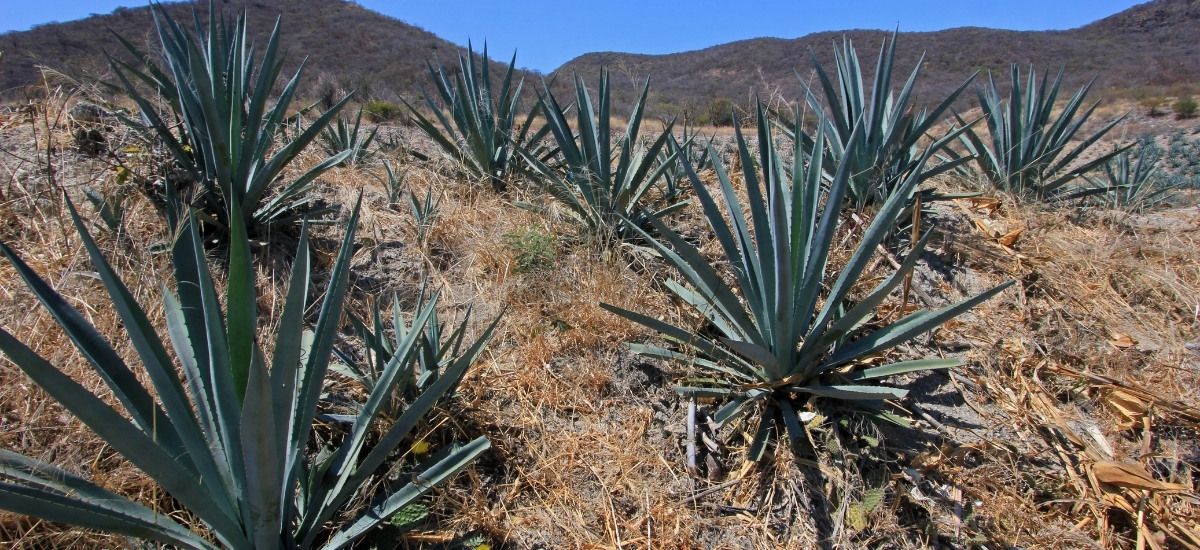
Mezcal can be made from dozens of agave species, not just one, making it one of the most botanically diverse spirits on Earth.
From Pre-Columbian Ritual to Global Recognition
The history of agave spirits stretches back centuries before Spanish colonization, though the distillation process itself arrived with European contact. Indigenous peoples of Mexico had long fermented agave sap into pulque, a mildly alcoholic ceremonial beverage still produced today. When Spanish conquistadors introduced distillation technology in the sixteenth century, local producers adapted these methods to create aguardiente de agave, the ancestor of modern mezcal. The name derives from the Nahuatl words metl and ixcalli, meaning oven-cooked agave. For generations, mezcal production remained a village craft, with families passing techniques through successive generations in remote mountain communities.
Oaxaca emerged as the spiritual heartland of mezcal culture, though production extends across nine Mexican states with protected designation of origin. The late twentieth century brought increased international attention, driven partly by the craft cocktail renaissance and partly by growing appreciation for artisanal production methods. Prices have risen substantially as global demand outpaces the inherently limited supply of traditionally made mezcal. Each bottle represents years of agave growth and labor intensive production, a timeline that cannot be accelerated to meet market pressures.
The Slow Alchemy of Smoke and Earth
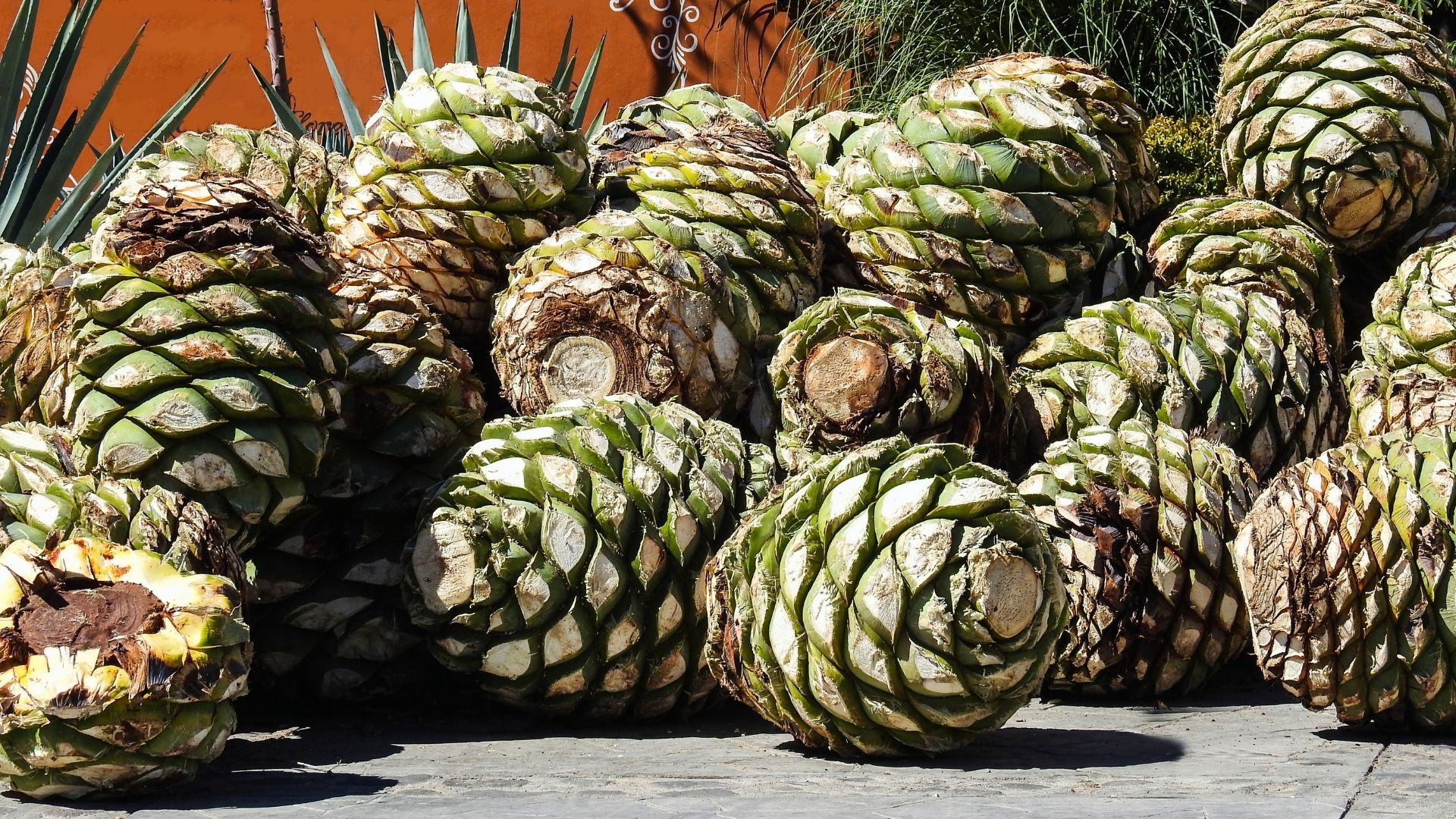
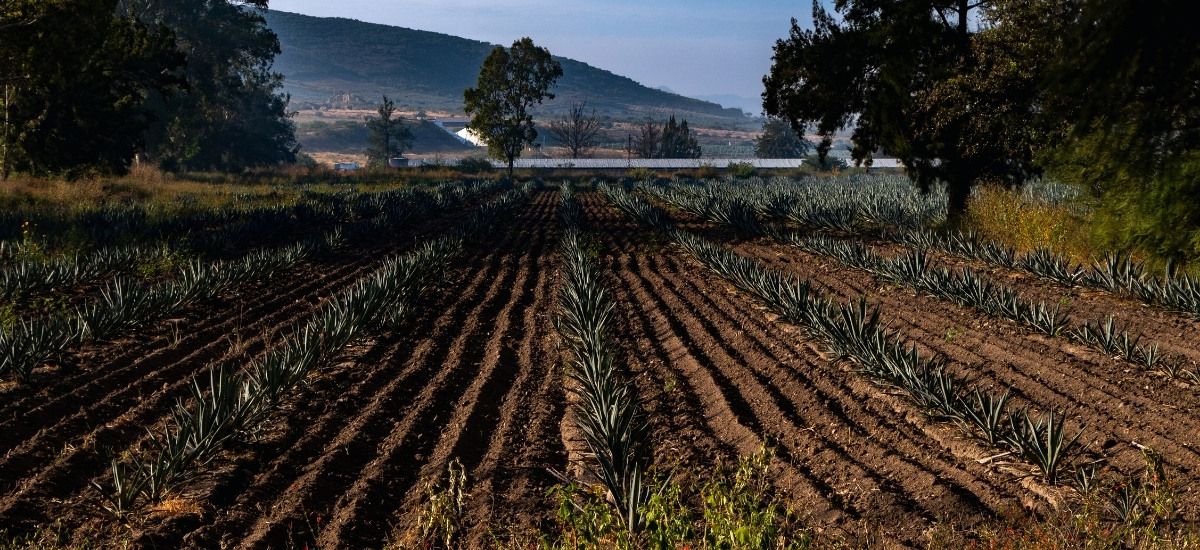
Mezcal production begins with the agave plant, a succulent that stores sugars in its core, called the piña for its resemblance to a pineapple. Unlike grains that can be planted and harvested annually, agave requires between seven and thirty years to reach maturity depending on the variety.
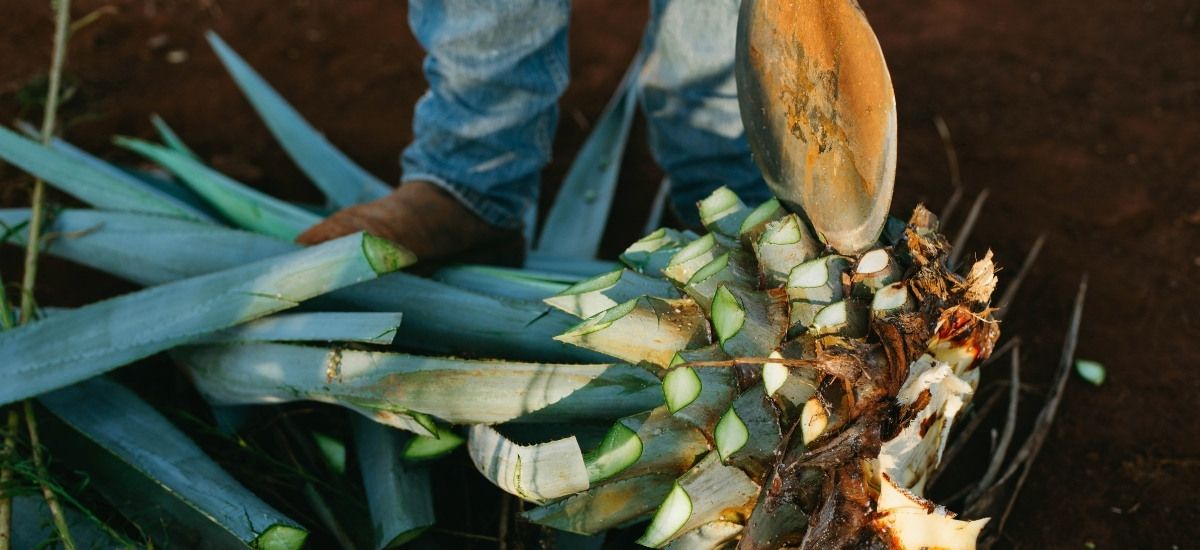
When ready, jimadores harvest the plants by hand, trimming away the spiny leaves to reveal the sugar-rich heart. Here the process diverges dramatically from industrial tequila production. Traditional mezcaleros roast piñas in earthen pits lined with hot stones, a method that infuses the agave with the signature smoky character. The roasted hearts are then crushed, often using a stone wheel called a tahona pulled by horse or donkey. Fermentation occurs in wooden vats using wild ambient yeasts, followed by distillation in small copper or clay pot stills.
The entire process unfolds slowly, guided by sensory evaluation rather than laboratory analysis. Master distillers, known as maestros mezcaleros, determine readiness by smell, taste, and the behavior of bubbles when the spirit is agitated. This handcrafted approach necessarily limits production volumes while ensuring each batch carries the distinct signature of its maker and terroir.
Why Mezcal Is Not Simply Smoky Tequila
The relationship between mezcal and tequila confuses many newcomers to agave spirits. Technically, tequila is a type of mezcal, much as bourbon is a type of whiskey. However, tequila must be produced in designated regions, primarily Jalisco, and exclusively from blue Weber agave. Mezcal embraces far greater diversity, with over thirty agave varieties permitted in production. Each species contributes distinctive flavors, from the herbal brightness of Espadín to the complex minerality of wild Tobalá. Production methods further distinguish the categories. Most tequila comes from industrial facilities using steam ovens and column stills designed for efficiency and consistency.
Traditional mezcal relies on pit roasting and pot distillation, techniques that sacrifice volume for character. The smoky quality that defines mezcal in popular imagination actually varies considerably across producers and agave types. Some expressions emphasize fruit and floral notes with only subtle smoke, while others deliver intense campfire intensity. Approaching mezcal requires abandoning the shot glass mentality often associated with tequila. Quality mezcal rewards slow sipping from a shallow clay cup called a copita or a wide mouthed glass that allows aromatics to develop. Cocktail applications certainly exist, with the mezcal margarita and Oaxacan old fashioned earning devoted followings, but the finest bottles deserve contemplative attention.
The Takeaway
Mezcal stands apart in the spirits world for reasons both practical and philosophical. The extended maturation of agave plants, the labor intensive harvest, the ancient roasting methods, and the small batch distillation all contribute to a product that cannot be rushed or scaled without sacrificing its essential character. This reality explains the rising prices that have accompanied mezcal's surge in popularity. Unlike grain spirits that can increase production relatively quickly to meet demand, mezcal operates on botanical time, measured in years and decades rather than months. For those new to the category, Espadín offers the most accessible entry point, providing a foundation for understanding mezcal's smoky complexity at relatively approachable prices.
From there, exploration might lead to single village expressions, wild harvested varieties, or aged reposado and añejo bottlings. Each step reveals new dimensions of what the agave plant can become in skilled hands. The current moment represents both opportunity and concern for mezcal enthusiasts. Global recognition has brought economic benefits to producing communities while also raising questions about sustainability and cultural preservation. Drinking thoughtfully, choosing producers committed to traditional methods, and appreciating the time embedded in every bottle honors the generations of maestros who transformed a humble desert plant into liquid art.