Chartreuse and the Legacy of Monastic Craftsmanship
Exploring the legendary French liqueur crafted by monks whose recipe has remained hidden for over four centuries.

Among the world's spirits, none carries an aura of mystery quite like Chartreuse. This French herbal liqueur, produced exclusively by Carthusian monks in the Alps, has captivated drinkers for centuries with its complex flavor and enigmatic origins. The recipe, comprising 130 botanicals whose precise identities and proportions remain unknown to the outside world, represents one of the most closely guarded secrets in the beverage industry. Only two monks at any time possess complete knowledge of the formula, and they have sworn vows of silence that extend to this sacred commercial endeavor.
Chartreuse occupies unique territory in the spirits landscape, simultaneously ancient and contemporary, monastic and fashionable, herbal medicine and sophisticated cocktail ingredient. Its recent scarcity has only intensified devotion among enthusiasts, transforming bottles into prized possessions. Understanding Chartreuse requires appreciation of its remarkable history, its mysterious production, and the different expressions that allow access to this singular liqueur. For anyone serious about spirits knowledge, Chartreuse represents essential study, a product that reveals how tradition, secrecy, and uncompromising quality can create something genuinely irreplaceable.
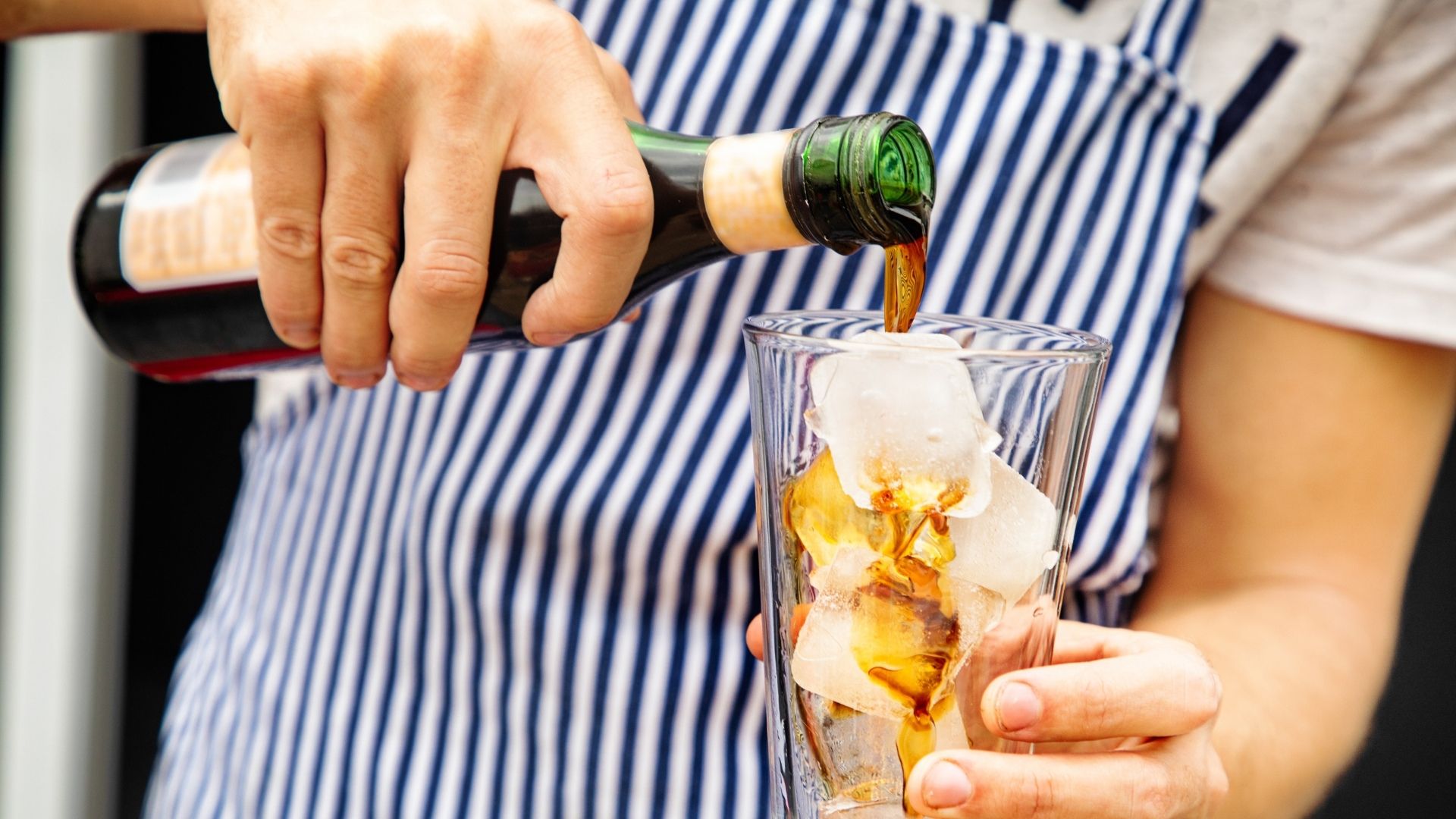
The liqueur contains a blend of 130 herbs, plants and botanicals, creating a flavor profile that is both medicinal and deeply complex.
A Gift From the Past
The story of Chartreuse begins in 1605, when the Carthusian monastery in Paris received a manuscript detailing an elixir of long life. The formula proved so complex that over a century passed before the monks at the Grande Chartreuse monastery in the French Alps finally decoded and perfected it. Brother Jérôme Maubec accomplished this feat in 1737, creating what became known as the Elixir Végétal. This intensely concentrated preparation, bottled at 69 percent alcohol, was initially distributed as medicine, its botanical complexity believed to offer genuine therapeutic benefits.
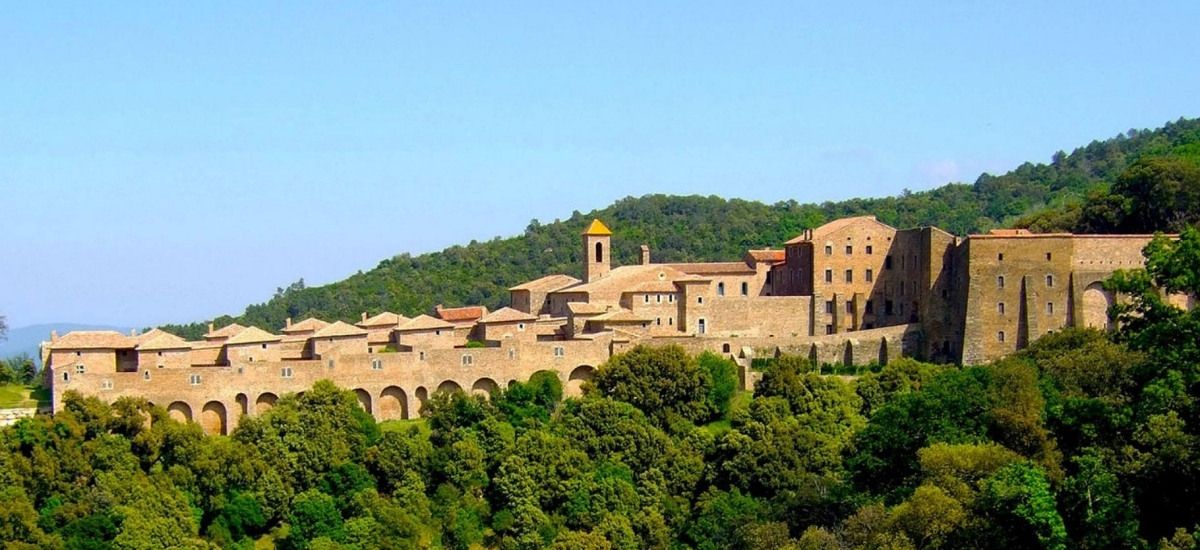
The monks soon recognized broader commercial potential, and in 1764 they introduced Green Chartreuse, a more approachable expression that retained extraordinary complexity while achieving better balance for sipping. Yellow Chartreuse followed in 1838, offering a sweeter, gentler interpretation that attracted different palates. Throughout political upheavals, including expulsion from France in 1903 that temporarily relocated production to Spain, the monks have maintained their traditions. Today, production occurs in Aiguenoire, France, though the monastery at Grande Chartreuse remains the spiritual home of the liqueur. The monks continue limiting production according to their values rather than market demand, a stance that frustrates commerce but preserves integrity.
The Alchemy of 130 Botanicals
The production of Chartreuse involves processes the monks understandably decline to detail comprehensively. What is known suggests remarkable complexity. The 130 plants, herbs, and flowers that constitute the recipe are sourced from various regions, with some grown in the monastery's own gardens and others obtained from specific suppliers maintaining long relationships with the order. These botanicals undergo maceration in grape alcohol, extracting their essential oils and flavors through carefully controlled contact. Distillation follows, with the monks making cuts to capture desired elements while excluding others.
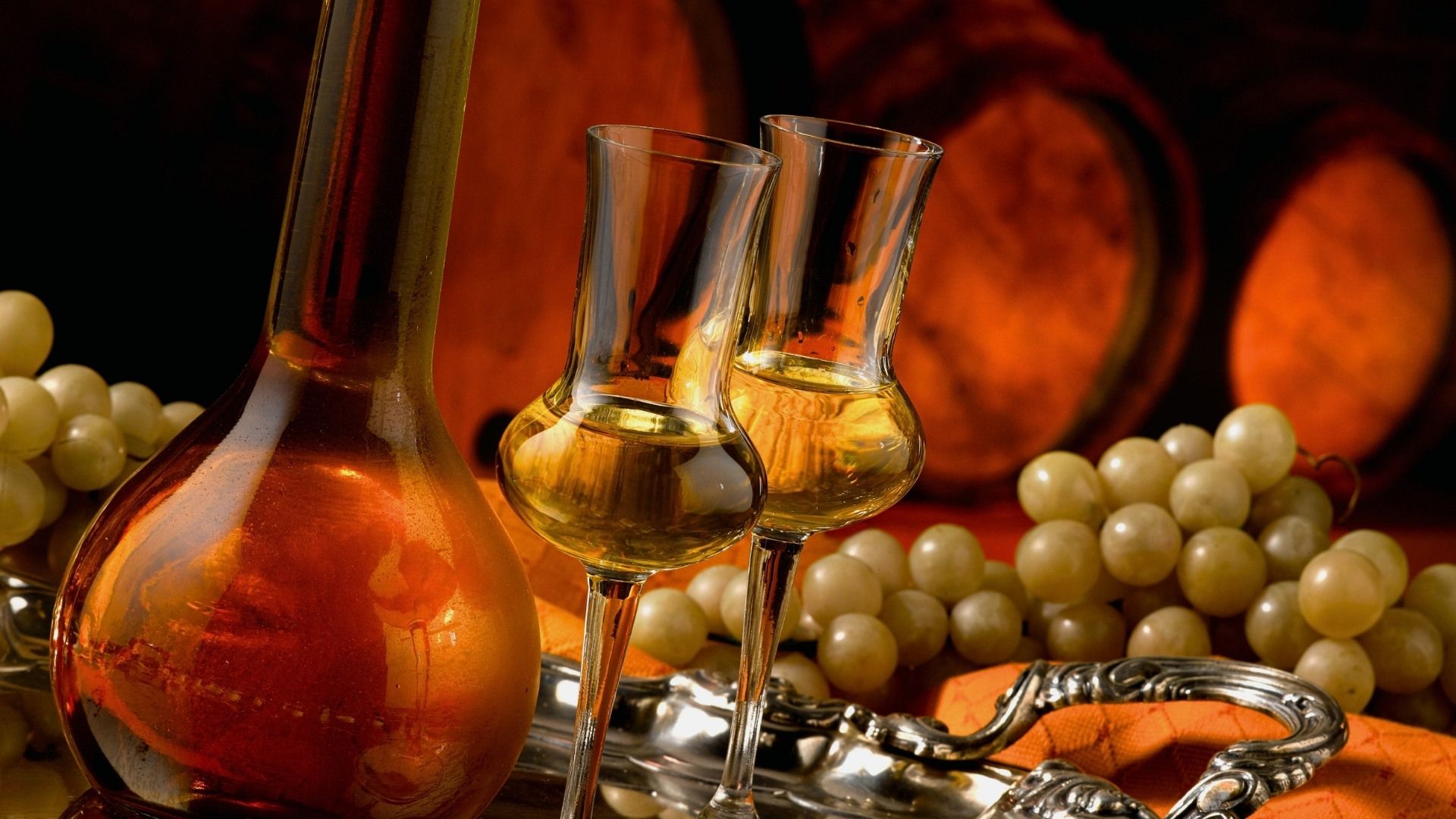
The distillate then enters oak casks for aging, during which time the spirit mellows and integrates. The distinctive colors arise naturally from the botanical ingredients rather than from artificial additives. Green Chartreuse derives its vivid hue from chlorophyll and related plant compounds, while Yellow Chartreuse achieves its golden tone through different botanical contributions, likely including saffron. The resulting liqueurs taste unlike anything else available, combining sweetness with herbal intensity, presenting flavors that shift and evolve on the palate, and delivering length that persists remarkably after swallowing. Attempting to reverse engineer the recipe has occupied curious minds for centuries without success, as the interaction of so many components creates complexity that defies simple analysis.
Expressions Worth Seeking
The Chartreuse portfolio offers several distinct experiences, each reflecting different interpretations of the monks' botanical mastery. Green Chartreuse, bottled at 55 percent alcohol, presents the most intense expression readily available, balancing sweetness against powerful herbal, vegetal, and spice notes. Yellow Chartreuse, at 40 percent, emphasizes honey and saffron characteristics, offering approachability while retaining unmistakable Chartreuse character. The Elixir Végétal, the original 1605 formulation at 69 percent, remains available in distinctive small bottles designed for measured doses rather than casual consumption.
VEP designations, representing Vieillissement Exceptionnellement Prolongé or exceptionally prolonged aging, indicate both green and yellow expressions that have spent additional years in cask, developing profound depth and smoothness. These VEP bottlings command significant premiums but deliver experiences justifying their positioning among the world's great liqueurs. Limited editions and commemorative releases appear occasionally, becoming immediate collector targets. The current scarcity affecting all Chartreuse expressions reflects the monks' decision to reduce production for sustainability and quality reasons, prioritizing their values over commercial pressure. This shortage has elevated prices and intensified the hunt for bottles, particularly aged expressions and special releases.
The Takeaway
Chartreuse stands alone in the spirits world, a product whose existence depends on the continuation of monastic traditions stretching back centuries. The combination of closely guarded secrecy, genuinely complex production, and deliberate limitation of supply creates mystique that marketing could never manufacture. Yet mystique alone would not sustain interest without exceptional liquid quality. Chartreuse delivers flavors available nowhere else, the result of 130 botanicals interacting through processes refined over generations. The current scarcity frustrates enthusiasts but also reinforces appreciation for what makes this liqueur remarkable. The monks produce according to their own principles rather than bending to market demands, a stance increasingly rare in a commercially driven industry.
For those fortunate enough to acquire bottles, Chartreuse rewards contemplative attention, revealing layers that unfold across multiple tastings. Whether experienced in classic cocktails like the Last Word and Bijou or sipped neat as the monks intended, Chartreuse offers something genuinely unique. Understanding this liqueur enriches overall spirits knowledge while providing access to a tradition that connects contemporary drinkers to centuries of monastic dedication. Some products can be replicated or replaced, but Chartreuse remains singular, protected by secrecy, sustained by faith, and appreciated by those who recognize true rarity.