Liqueurs are a Timeless Tradition
Understanding the essential role of flavored, fortified elixirs in modern mixology.
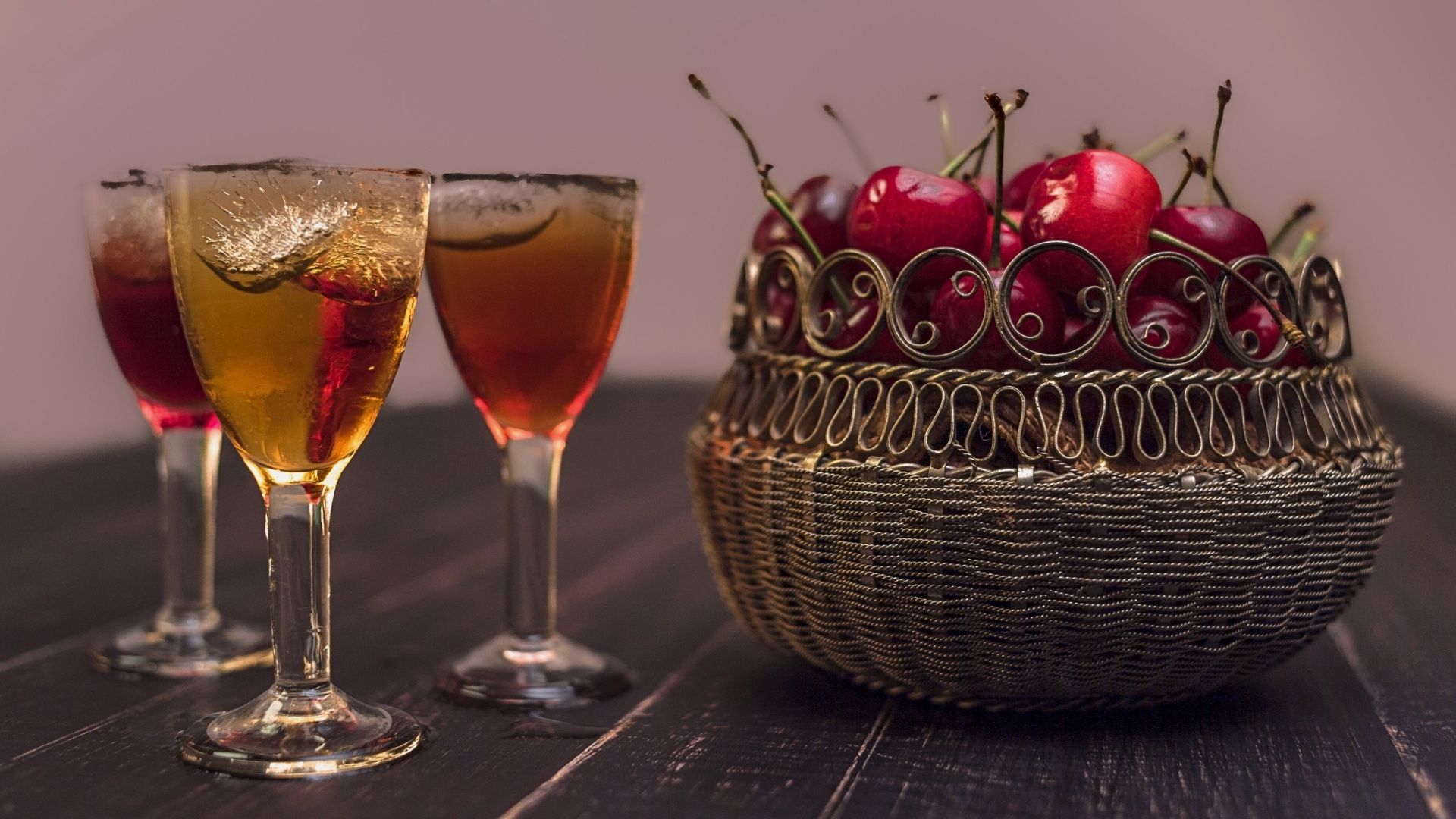
Liqueurs represent a distinct spirits category defined by added sweetness and flavoring, distinguishing them from base spirits through their lower alcohol content and enhanced palatability. These sweetened, flavored spirits typically contain at least 2.5% sugar by weight and range from 15% to 55% alcohol by volume, created by infusing or redistilling base spirits with fruits, herbs, spices, nuts, cream, or other flavorings. Originating in medieval European monasteries as medicinal preparations, liqueurs evolved into refined after-dinner drinks and essential cocktail components. Today, liqueurs remain indispensable to both classic and contemporary drinking culture, bridging the gap between medicine and mixology while offering remarkable diversity in flavor profiles and applications.
Born in monasteries and perfected in mixology, liqueurs turn simple spirits into liquid craftsmanship.
Historical Origins: From Alchemy to Aristocracy
Liqueurs emerged during the Middle Ages when European monks and alchemists experimented with distillation and botanical infusion, seeking the 'elixir of life' and remedies for various ailments. These early practitioners discovered that steeping herbs, spices, and other ingredients in spirits extracted beneficial compounds while sugar made bitter medicinal preparations more palatable. Monasteries across Europe developed secret recipes, with institutions like the Carthusian monks creating Chartreuse (1737) and Benedictine monks crafting their namesake liqueur (1510), formulas still produced today. By the Renaissance, liqueurs had transitioned from purely medicinal use to aristocratic indulgence, with Italian courts particularly embracing these sweetened spirits.
The 17th and 18th centuries saw liqueur production become commercialized, moving from monastery and apothecary into distilleries and confectioneries. Dutch and French producers led this industrialization, creating fruit liqueurs like curaçao and cherry brandy that became international commodities. The Victorian era marked liqueur's golden age, with elaborate after-dinner rituals and the invention of countless proprietary brands. This historical trajectory established liqueurs as both culturally significant beverages and repositories of botanical knowledge, preserving traditional recipes that span centuries.
Cocktail Culture and Contemporary Popularity
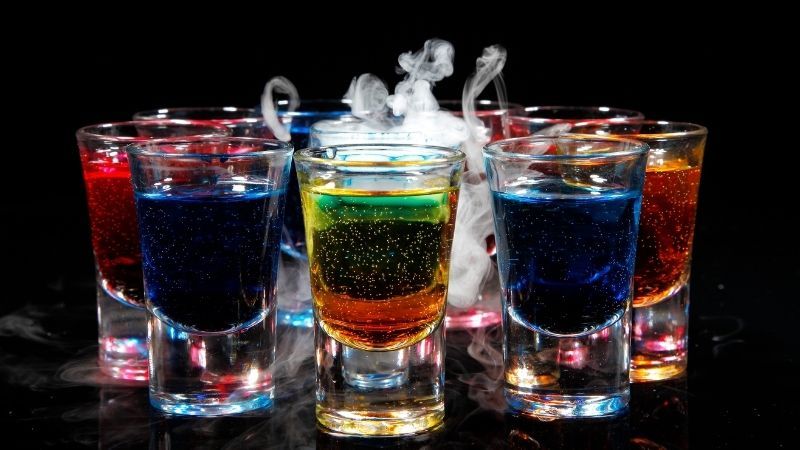
Liqueurs occupy an irreplaceable position in cocktail culture, providing sweetness, flavor complexity, and color to countless classic and modern drinks. The cocktail renaissance of the early 20th century relied heavily on liqueurs, with iconic recipes like the Margarita (orange liqueur), White Russian (coffee liqueur), and Sidecar (orange liqueur) demonstrating their essential role. Bartenders value liqueurs as modifiers that add nuanced flavors impossible to achieve with base spirits alone. Triple sec and Cointreau appear in more cocktail recipes than perhaps any other ingredient besides the core spirits. Coffee liqueurs like Kahlúa define entire drink categories, while herbal liqueurs like Bénédictine and Chartreuse add mysterious complexity to sophisticated cocktails.
Regional preferences shape liqueur popularity, with amaretto dominating Italian-American markets, sambuca beloved in Italy, ouzo essential in Greece, and Jägermeister achieving cult status in Germany and among American college students. The craft cocktail movement has revived obscure historical liqueurs like maraschino and crème de violette while inspiring new artisanal producers to create innovative expressions featuring unusual botanicals, exotic fruits, and local ingredients that reflect contemporary tastes and terroir-driven production philosophies.
Aperitif, Digestif, and Diverse Applications
Liqueurs serve dual roles as both aperitifs (pre-meal appetite stimulants) and digestifs (post-meal digestive aids), though specific styles typically favor one function over the other. Bitter, herbal liqueurs like Campari, Aperol, and gentian-based offerings excel as aperitifs, their botanical complexity and moderate bitterness stimulating appetite and preparing the palate for dining. These lighter, more refreshing liqueurs often feature in spritz-style cocktails perfect for afternoon or early evening consumption. Conversely, richer, sweeter liqueurs traditionally function as digestifs, consumed neat or in coffee after meals to aid digestion and provide pleasant conclusion to dining experiences. Amari, despite their bitterness, serve digestif roles due to their herbal properties believed to settle the stomach. Cream liqueurs like Baileys or fruit liqueurs like Grand Marnier offer dessert-like indulgence.
However, modern drinking culture increasingly ignores these traditional boundaries, with bartenders deploying liqueurs creatively regardless of historical function. The most popular global offerings include orange liqueurs (Cointreau, Grand Marnier, triple sec), coffee liqueurs (Kahlúa, Tia Maria), herbal liqueurs (Jägermeister, Chartreuse), and cream liqueurs (Baileys), each representing distinct flavor families that demonstrate liqueurs' remarkable versatility and enduring appeal across cultures and consumption occasions.
The Takeaway
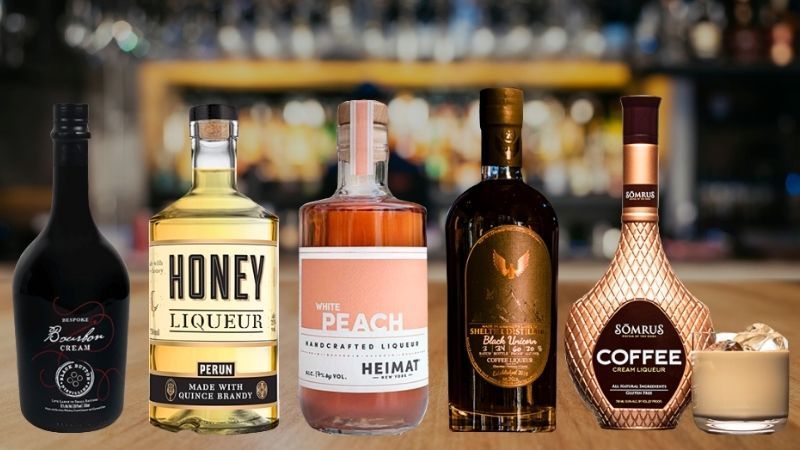
Liqueurs occupy a unique space in beverage history and contemporary drinking culture, bridging medicine and pleasure while offering unmatched diversity in flavor and application. From medieval monastery recipes to modern craft expressions, these sweetened spirits preserve centuries of botanical knowledge and cultural tradition. Their indispensability in cocktail creation demonstrates practical necessity, while their roles as aperitifs and digestifs honor traditional drinking rituals that enhance dining experiences. The most successful liqueur brands have achieved remarkable longevity, with some recipes remaining unchanged for centuries, testament to their creators' skill in balancing flavors and capturing essential characteristics of their ingredients. For beverage enthusiasts and professionals alike, understanding liqueurs means appreciating how sweetness, flavoring, and lower alcohol content create a category that serves countless purposes, from solitary sipping to complex cocktail components. As contemporary producers continue innovating while respecting tradition, liqueurs remain vital to global drinking culture, ensuring these historically significant spirits' relevance for future generations.