Is Armagnac France's Forgotten Treasure?
Discovering the elder sibling of Cognac and why this rustic Gascon brandy deserves renewed attention.
In the shadow of Cognac's global fame, another French brandy quietly persists, produced by families who have tended their vineyards and stills for generations. Armagnac, originating from the Gascony region of southwestern France, predates its celebrated cousin by roughly 150 years, making it the oldest distilled spirit in France. Yet despite this distinguished lineage, Armagnac remains relatively obscure outside connoisseur circles, overshadowed by Cognac's superior marketing machinery and international distribution networks. This obscurity, however, presents opportunity for the discerning enthusiast.
Armagnac offers character and value that increasingly attract those seeking alternatives to mainstream luxury spirits. Its production methods, smaller scale, and terroir driven diversity create expressions of remarkable individuality. For the beverage professional seeking to expand repertoire and offer guests something genuinely distinctive, Armagnac represents an essential category. Understanding its history, production, and relationship to Cognac illuminates why this ancient spirit is experiencing gradual but meaningful rediscovery in the contemporary market.
Armagnac is France’s oldest distilled spirit, with documented production predating Cognac by several centuries.
The Land of d'Artagnan
Armagnac takes its name from the historic region where it has been produced since the early fifteenth century, with documented evidence of distillation dating to 1411. This places Armagnac's origins well before Cognac, which emerged in the seventeenth century.
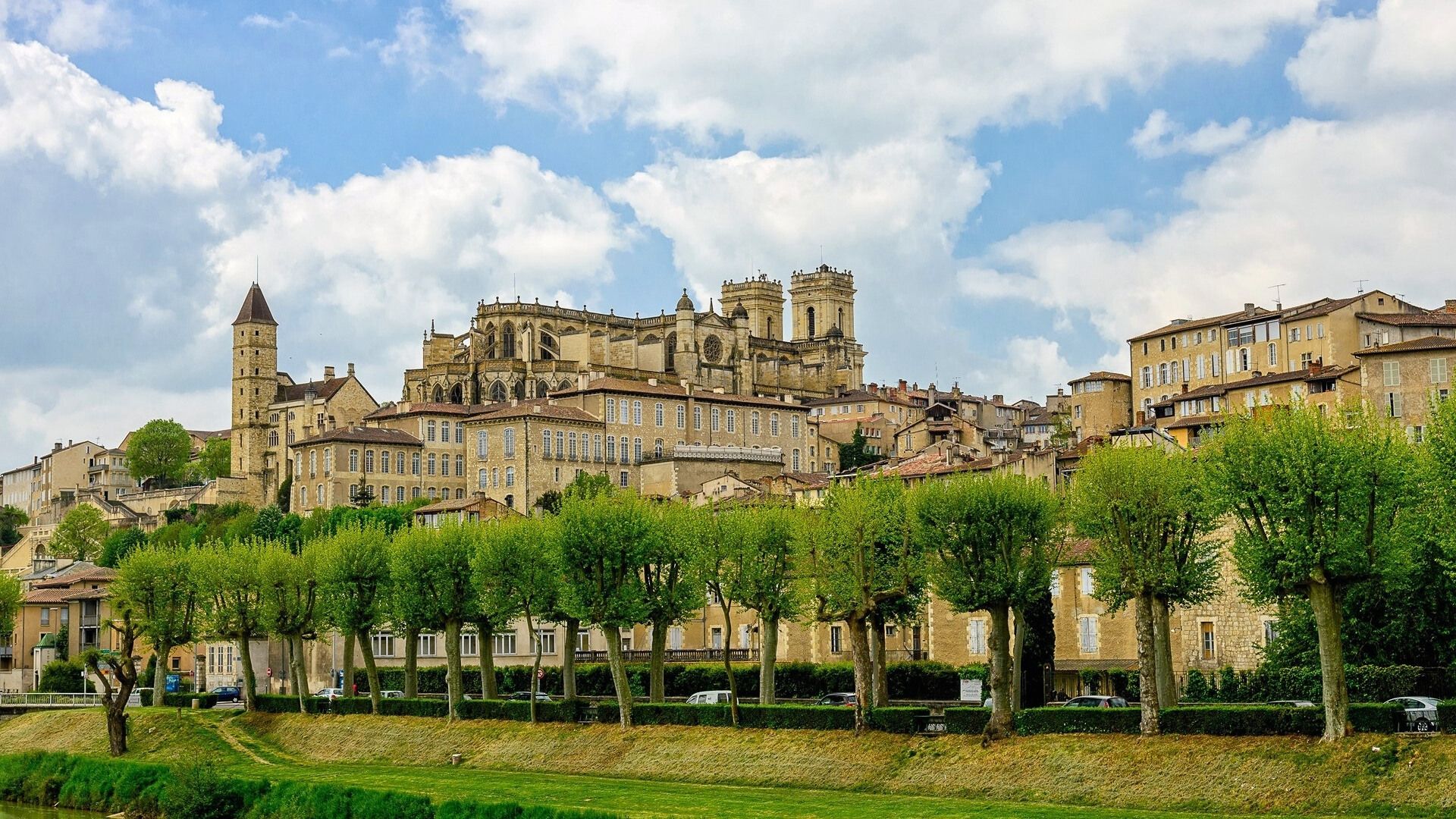
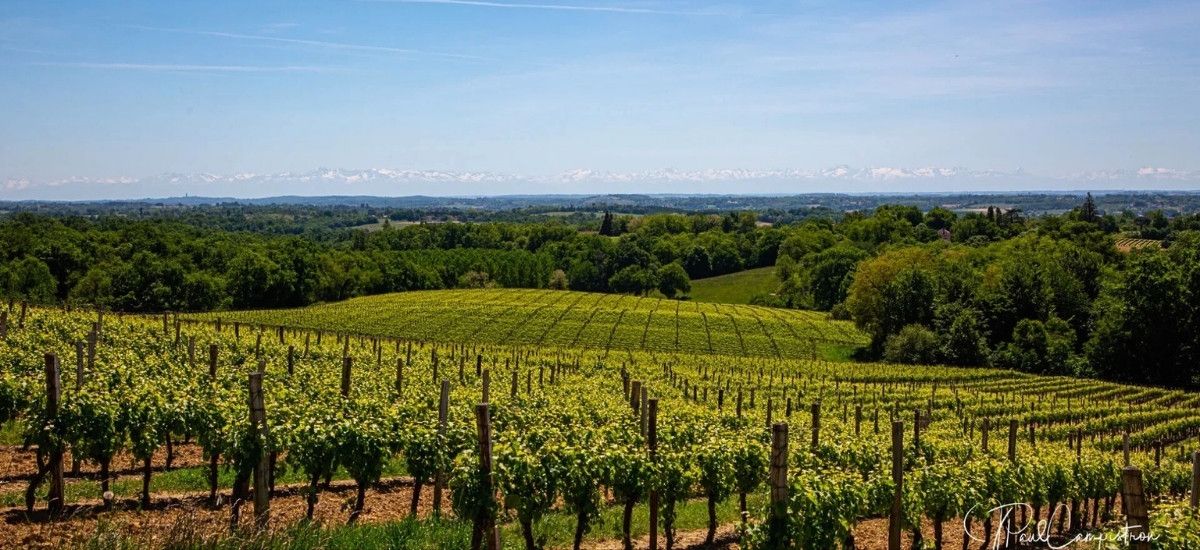
The production zone lies in Gascony, a rural area of southwestern France perhaps best known as the homeland of the fictional musketeer d'Artagnan. The region divides into three appellations, each contributing distinct characteristics. Bas Armagnac, considered the most prestigious, features sandy soils that produce particularly refined spirits. Ténarèze offers clay and limestone terrain yielding more structured, tannic brandies. Haut Armagnac, the largest zone by area, contributes the smallest volume of quality production. Unlike the relatively consolidated Cognac industry, Armagnac remains dominated by small family producers, many farming their own vineyards and distilling their own spirits.
This artisanal structure preserves traditions but limits commercial reach. Approximately six million bottles of Armagnac are produced annually, compared to over 200 million bottles of Cognac, illustrating the dramatic difference in scale between these sibling spirits.
One Distillation Makes All the Difference
The production of Armagnac diverges meaningfully from Cognac in ways that shape its distinctive character. While Cognac requires double distillation in pot stills, Armagnac traditionally employs a single continuous distillation using a unique apparatus called the alembic armagnaçais. This column still, often transported from farm to farm by itinerant distillers called bouilleurs, produces spirit at lower proof than Cognac's double distillation method. The resulting eau de vie retains more congeners, the flavor compounds that contribute complexity but also require longer aging to integrate. This technical difference creates Armagnac's more robust, rustic personality compared to Cognac's typically smoother, more polished profile.
Aging occurs in local black oak from the Monlezun forest, which imparts different characteristics than the Limousin and Tronçais oak favored in Cognac. The classification system mirrors Cognac's structure, with VS, VSOP, XO, and Hors d'Age designations indicating minimum aging periods. However, Armagnac uniquely permits vintage dating, allowing producers to bottle spirits from a single harvest year. These vintage Armagnacs offer fascinating opportunities to explore how different years express themselves, providing an experience more analogous to vintage wine than most spirits categories allow.
Guardians of Tradition and Emerging Recognition
Several producers have maintained Armagnac's heritage while gradually building international recognition. Château de Laubade, among the largest estate producers, offers consistent quality across a range of ages and maintains one of the region's most extensive libraries of aged reserves. Darroze operates as a prestigious négociant, sourcing and aging Armagnacs from small producers throughout the region, particularly from Bas Armagnac. Delord, a family operation spanning generations, produces expressions that frequently appear on discerning restaurant lists. Domaine d'Espérance and Château du Tariquet represent quality conscious producers balancing tradition with accessibility.
In recent years, bartenders and sommeliers have increasingly championed Armagnac, appreciating its value proposition relative to comparably aged Cognacs and its cocktail versatility. A twenty year Armagnac often costs less than a ten year Cognac of similar quality, creating opportunities for establishments to offer exceptional aged spirits at approachable price points. This value equation, combined with the appeal of discovery and distinction, positions Armagnac for continued growth among professionals and enthusiasts weary of predictable selections.
The Takeaway
Armagnac embodies a paradox that should resonate with anyone passionate about beverages. Here exists France's oldest brandy, produced by dedicated artisans in a picturesque region, aged with patience and bottled with pride, yet it remains largely unknown to the drinking public. This obscurity results not from inferior quality but from circumstance and scale. Armagnac's producers lacked the commercial consolidation and marketing investment that propelled Cognac to global dominance. What persists instead is something arguably more precious: authenticity, diversity, and connection to place that industrial spirits cannot replicate.
The single distillation method, the vintage dating tradition, the family estates unchanged across generations, all contribute to a category of genuine character and remarkable value. For the professional building a program or the enthusiast curating a collection, Armagnac offers the satisfaction of knowledge that most consumers lack. Recommending or selecting an exceptional Armagnac signals sophistication and curiosity, qualities that distinguish true beverage expertise. In choosing this ancient Gascon spirit, one participates in preserving a tradition that deserves not just survival but celebration.