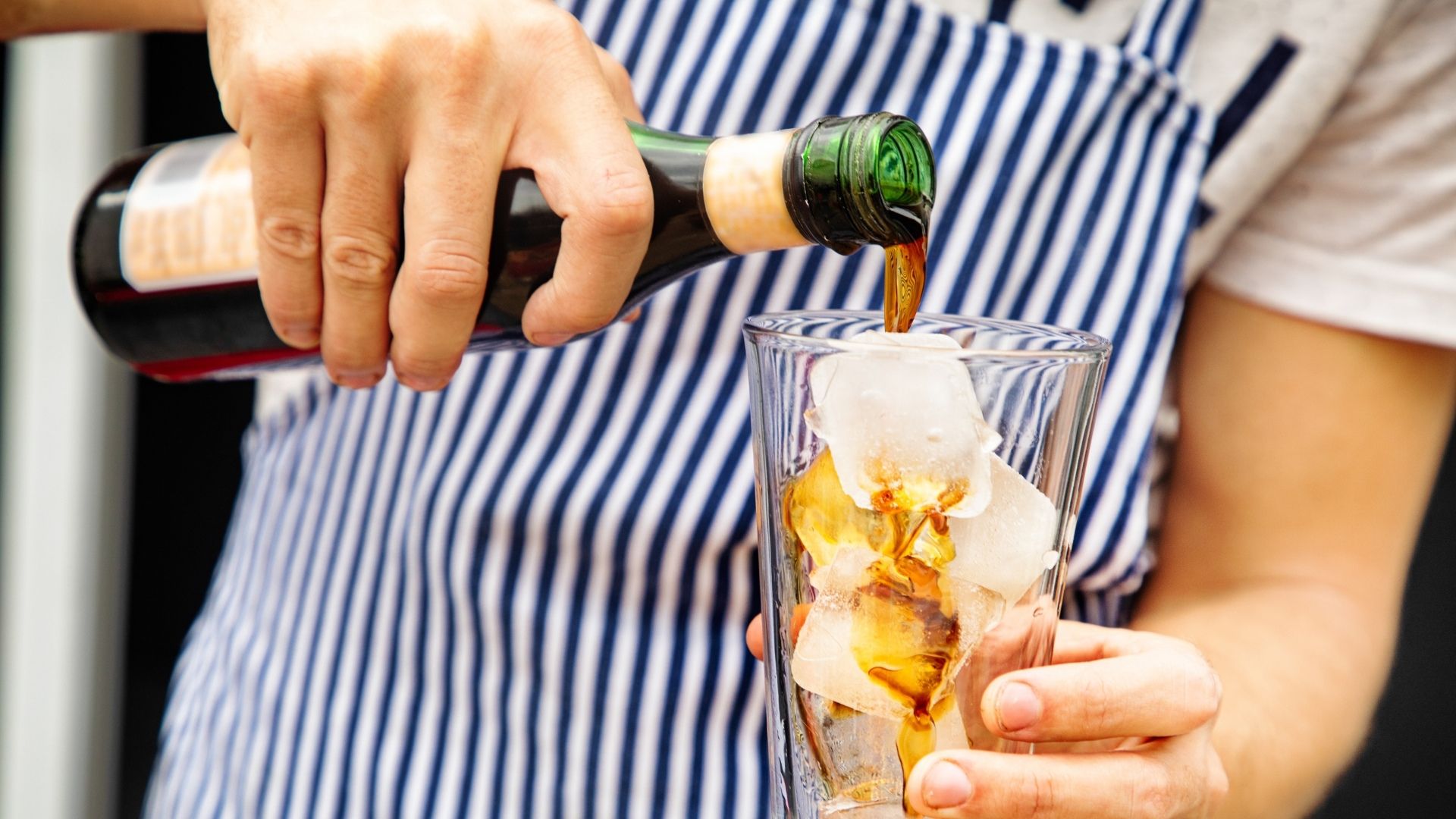
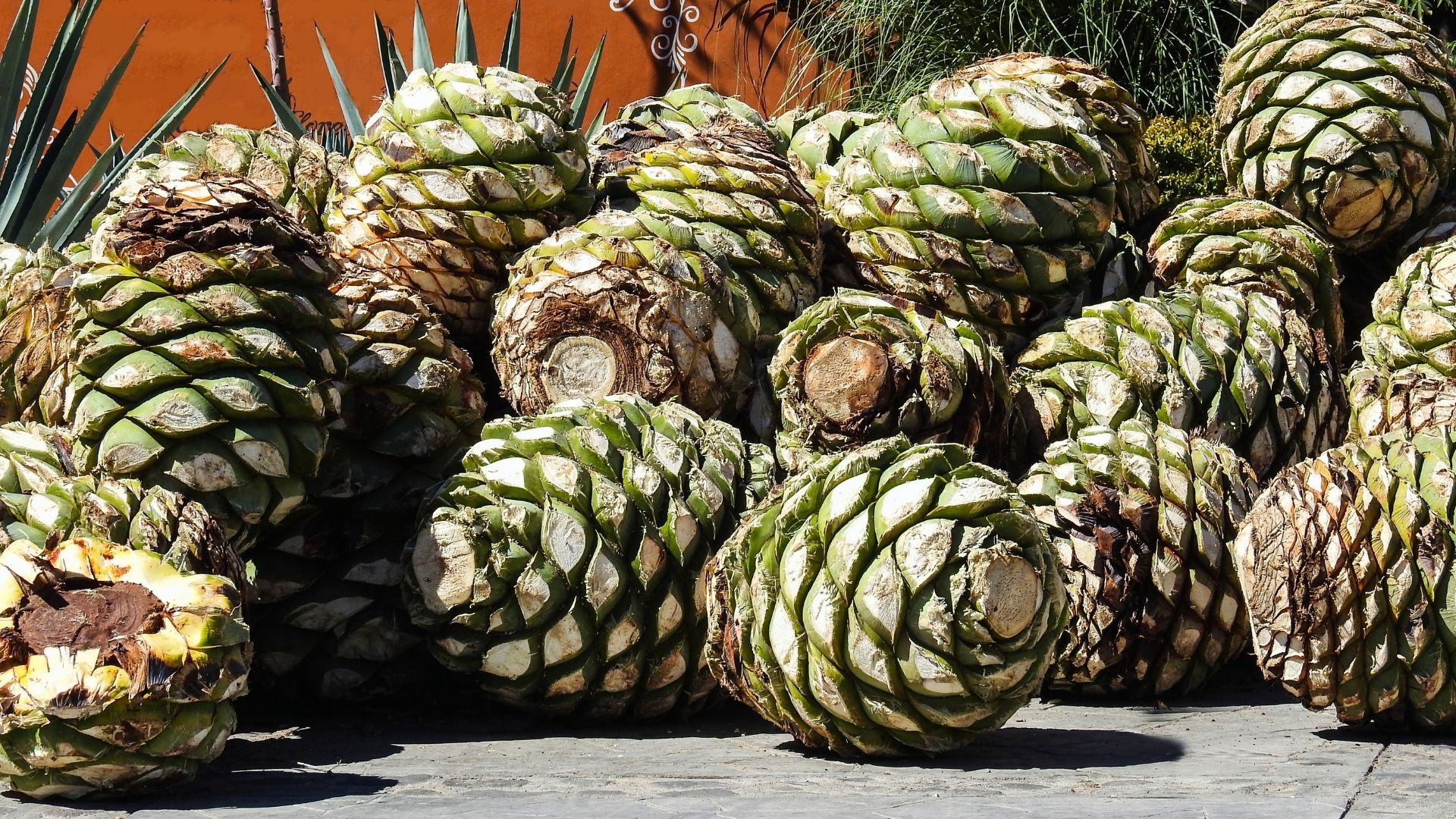
Amaro Is Europe's Herbal Elixir
Bittersweet traditions from Europe's regionally inspired liqueur production.

Amaro, Italian for 'bitter,' represents one of Europe's most diverse and culturally significant liqueur categories, transforming local botanicals into complex digestifs that capture regional identity in liquid form. These bittersweet herbal liqueurs have graced European tables for centuries, bridging the worlds of medicine and pleasure as post-meal tonics believed to aid digestion and settle the stomach. While amaro production spans the continent, Italy reigns supreme, with nearly every region crafting distinctive expressions using indigenous herbs, roots, flowers, and spices. This primer explores how amaro embodies terroir, tradition, and the enduring belief in botanicals' restorative powers.
Every Amaro tells its own regional story - alpine herbs, citrus peel, spice, and time - bottled history meant to be sipped, not studied.
From Pharmacy to Pleasure
Amaro's roots stretch back to medieval monasteries, where monks cultivated medicinal herb gardens and developed tinctures to treat various ailments. These early preparations combined locally available botanicals like gentian root, wormwood, cinchona bark, and aromatic herbs with alcohol to extract therapeutic compounds. The resulting bitters were dispensed as remedies for digestive complaints, fever, and general malaise. As distillation techniques refined during the Renaissance, these medicinal preparations evolved into more palatable liqueurs, balancing bitterness with sugar to create the bittersweet profile we recognize today.
The 19th century marked amaro's golden age, as Italian pharmacists and entrepreneurial families commercialized their secret recipes, transforming regional remedies into branded products. Iconic houses like Averna (1868), Ramazzotti (1815), and Montenegro (1885) emerged during this period, each jealously guarding botanical formulas passed through generations. This pharmaceutical heritage remains central to amaro's identity, with many brands still displaying mortar and pestle symbols or cross imagery that recall their apothecary origins. The transition from medicine to leisure never fully severed amaro's connection to wellness, as Italians continue embracing these liqueurs as functional digestifs.
Italian Regional Diversity
Italy's amaro landscape reflects extraordinary regional diversity, with each area's expression showcasing local botanical signatures and cultural preferences. Northern Italian amari tend toward alpine herbaceousness, exemplified by Braulio from Valtellina, which features mountain herbs, juniper, and wormwood, or Amaro Alpino, capturing high-altitude flora. The Veneto region produces Cynar, uniquely featuring artichoke among its botanicals, creating vegetal complexity. Central Italy offers Amaro Lucano from Basilicata, balancing over 30 herbs with notable sweetness, while Tuscany's Amaro Sibilla emphasizes saffron and Mediterranean aromatics. Southern expressions like Sicily's Averna present richer, more citrus-forward profiles with caramel notes, reflecting the island's abundant oranges and herbs like rosemary and myrtle. Fernet, a particularly bitter subcategory exemplified by Fernet-Branca from Milan, emphasizes menthol, saffron, and myrrh for an intensely medicinal character beloved by bartenders and purists. These regional variations demonstrate how amaro functions as liquid geography, with each bottle expressing its landscape's botanical palette, climate, and cultural traditions in ways that remain unmistakably Italian yet distinctly local.
Beyond Italy: Europe's Herbal Liqueur Traditions
While Italy dominates amaro production, herbal bitters traditions flourish throughout Europe, each reflecting national botanical preferences and cultural drinking patterns. Germany's kräuterlikör category includes Jägermeister, perhaps the world's most recognized herbal liqueur, featuring 56 botanicals in a sweeter, less bitter profile than Italian counterparts. Underberg, another German staple, delivers intensely concentrated herbal bitterness in tiny bottles consumed as digestive aids.
France contributes Chartreuse, the legendary monastery liqueur crafted by Carthusian monks since 1737 using 130 botanicals, existing in vibrant green and mellower yellow expressions. The French also produce gentian-based liqueurs like Suze and Salers, emphasizing single botanical notes. Hungary offers Unicum, a distinctly bitter liqueur featuring over 40 herbs in a recipe unchanged since 1790. Switzerland's alpine regions produce various herbal digestifs incorporating local mountain flora. These European expressions share amaro's medicinal heritage and digestif function while developing distinct national characters, proving that the marriage of local botanicals, cultural tradition, and belief in herbal remedies transcends borders throughout the continent.
The Takeaway
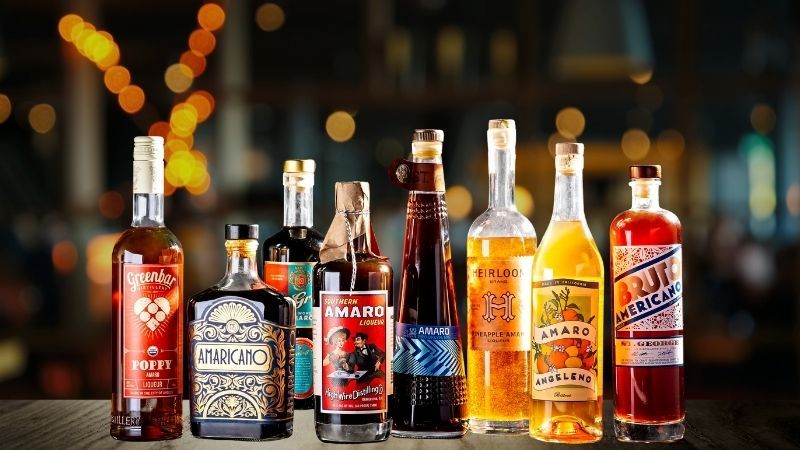
Amaro stands as the ultimate expression of botanical regionalism, transforming the herbs, roots, and flowers of specific landscapes into liqueurs that taste unmistakably of their origins. From monastery gardens to modern craft distilleries, these bittersweet elixirs maintain their connection to both pleasure and wellness, embodying centuries of botanical knowledge and cultural tradition. Italy's regional diversity showcases amaro's extraordinary range, while neighboring European traditions prove the universal appeal of herbal digestifs. For beverage enthusiasts, exploring amaro means discovering how communities have translated their environments into flavors, creating liqueurs that function simultaneously as cultural artifacts, digestive aids, and sophisticated sipping spirits. As craft cocktail culture increasingly embraces these complex bitters, amaro's relevance continues growing, introducing new generations to Europe's most herbal and historically rich liqueur tradition.