Understanding The Macallan: Casks, Craftsmanship and Global Prestige
Exploring the distillery that transformed from regional producer to global phenomenon and the challenges of securing its increasingly rare bottles.

Few names in the whisky world carry the weight and recognition of The Macallan. This Speyside distillery has achieved something remarkable in the spirits industry, transcending its category to become a genuine luxury brand with cultural cachet extending far beyond traditional whisky circles. Collectors pursue rare bottlings with the fervor once reserved for fine art, auction records fall with regularity, and allocation battles frustrate retailers and hospitality operators worldwide. Yet The Macallan's ascent to this rarefied status did not occur by accident.
Decades of strategic decisions regarding production methods, cask selection, and brand positioning combined with genuine quality to create a phenomenon. Understanding The Macallan requires examination of its history, its distinctive approach to whisky making, and the market dynamics that have made acquiring its expressions increasingly challenging. For anyone working in premium spirits, whether in sales, service, or simply appreciation, The Macallan represents an essential case study in how exceptional product and sophisticated marketing can converge to create enduring desirability.
Founded in 1824, The Macallan is one of Scotland’s oldest licensed distilleries and remains one of the most collectible whisky producers in the world.
A Highland Estate With Global Ambitions
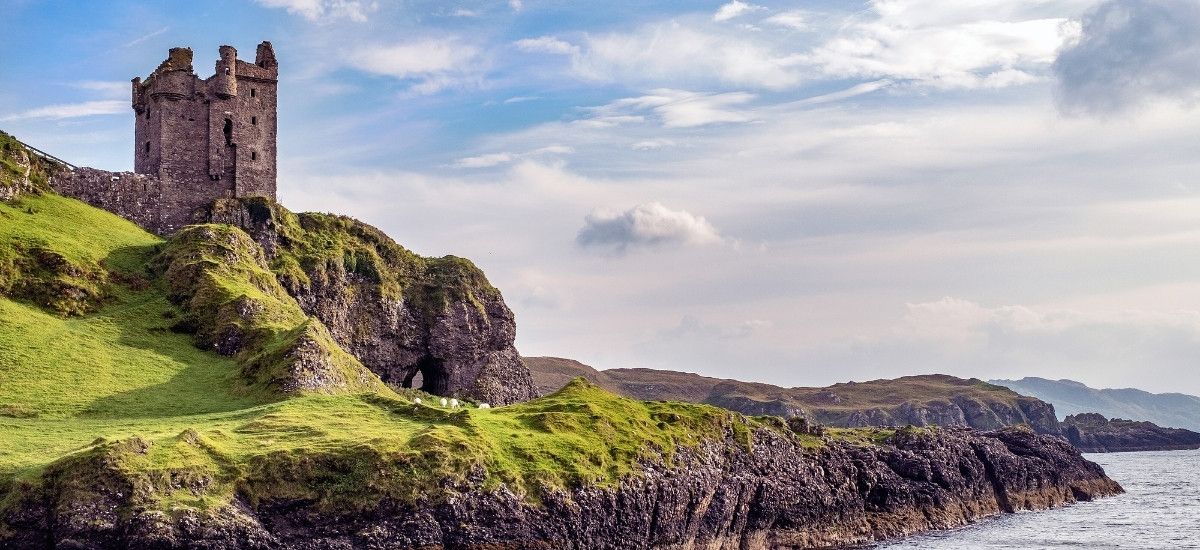
The Macallan's story begins in 1824 when Alexander Reid obtained one of the first legal distilling licenses in Scotland, establishing operations on the Easter Elchies estate in Speyside. This region, nestled along the River Spey in the Scottish Highlands, would eventually become the most concentrated whisky producing area in the world, and The Macallan claimed its place among the founding generation. For much of its early history, the distillery operated as one quality producer among many, its whisky valued by blenders but largely unknown to consumers as a single malt.
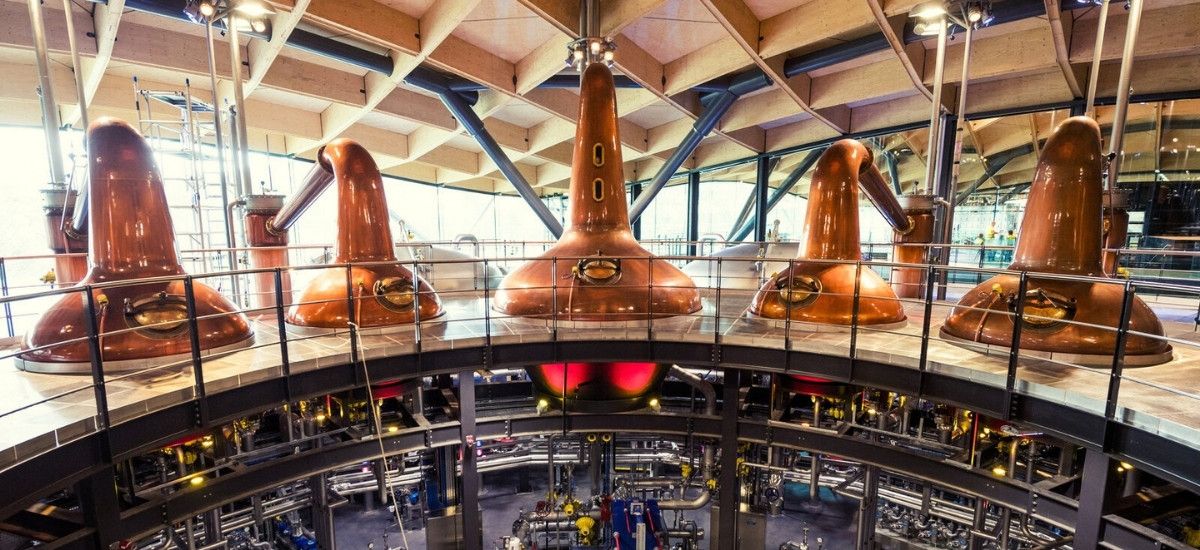
The transformation began in earnest during the 1970s and 1980s when the brand repositioned itself as a luxury single malt, emphasizing its commitment to sherry cask maturation at a time when the industry increasingly relied on bourbon barrels. This strategic differentiation proved prescient. The Macallan's rich, full bodied character stood apart from lighter Speyside expressions, and its association with Spanish oak sherry casks created a distinctive identity. The construction of a stunning new distillery facility in 2018, featuring an undulating roof designed to echo the surrounding hills, announced architectural ambitions matching its liquid aspirations.
The Pursuit of Exceptional Wood
What distinguishes The Macallan most fundamentally is its extraordinary investment in cask procurement and management. The distillery maintains that the character of its whisky derives predominantly from the oak in which it matures, with some estimates suggesting wood contributes up to eighty percent of final flavor. This conviction drives practices unmatched in the industry. The Macallan sources oak from specific forests in northern Spain, oversees the seasoning of wood at cooperages, and maintains relationships with sherry bodegas ensuring casks receive appropriate wine conditioning before whisky fills them.
This vertical integration of supply chain adds enormous cost but delivers the concentrated dried fruit, spice, and chocolate notes that define the house style. The core range spans accessible expressions like the twelve year Double Cask to prestige bottlings carrying price tags in the thousands. Limited editions and age statement releases generate particular excitement, with bottles like the eighteen year Sherry Oak and twenty five year achieving iconic status among collectors. Each expression reflects the foundational commitment to exceptional wood, expressed across different ages and cask combinations.
When Demand Overwhelms Supply
The commercial success of The Macallan has created challenges that now define its market position. Global demand, particularly from Asian markets and American collectors, has far exceeded production capacity, resulting in chronic scarcity of allocated expressions. Hospitality operators who once maintained deep inventories now scramble for modest allocations, often receiving fractions of their requested quantities. Retailers face similar constraints, with prestige bottlings selling out within hours of arrival or reserved exclusively for preferred customers. This scarcity has driven secondary market prices to remarkable levels, with certain limited editions commanding multiples of their original retail values.
Some observers question whether this dynamic serves the brand's long term interests, as consumers frustrated by unavailability may simply redirect their loyalty elsewhere. Others argue that scarcity reinforces luxury positioning and protects against commoditization. For the working professional, the practical reality is clear. Securing meaningful allocations of desirable Macallan expressions requires cultivated distributor relationships, significant purchasing commitments across broader portfolios, and acceptance that certain bottles may simply remain unobtainable regardless of willingness to pay.
The Takeaway
The Macallan occupies a singular position in contemporary spirits culture, simultaneously celebrated and controversial, accessible in its entry expressions yet impossibly exclusive at its pinnacle. The distillery's achievements are undeniable. It has elevated single malt Scotch to luxury status, demonstrated that whisky can command prices rivaling the finest wines and spirits, and built a brand recognized far beyond the traditional enthusiast community. Yet this success has created tensions that merit consideration. When desirable bottles become essentially unavailable through normal channels, questions arise about who premium spirits ultimately serve.
The hospitality professional navigating this landscape must balance genuine appreciation for The Macallan's quality against practical realities of procurement and pricing. Alternatives exist within the Speyside tradition and beyond, expressions offering exceptional quality without the allocation battles. Nevertheless, The Macallan's influence on how the world perceives and values Scotch whisky remains profound. Understanding its history, its methods, and its market dynamics provides essential context for anyone seeking to speak intelligently about premium spirits in the contemporary era.