Rum: The Spirit of the Caribbean and Beyond
From colonial plantations to craft distilleries, this sugarcane spirit embodies centuries of history, cultural identity, and remarkable diversity in production methods and flavor profiles.

Rum stands as one of the world's most versatile and historically significant spirits, produced wherever sugarcane grows but spiritually anchored in the Caribbean's tropical paradise. This distilled beverage emerges from fermented sugarcane juice or molasses, creating a spectrum of styles from crystal-clear white rums to deeply complex aged expressions that rival finest cognacs. Unlike whiskey's grain requirements or brandy's fruit origins, rum's production permits extraordinary creativity, with each nation and producer interpreting tradition through unique methods, aging regimens, and blending philosophies.
The spirit's evolution from sailors' rations and pirates' plunder to sophisticated sipping experiences reflects its transformation from commodity to craft. Modern rum encompasses industrial operations producing millions of liters alongside artisanal distilleries crafting limited releases that command three-figure prices, demonstrating remarkable range within a single category that continues expanding as global appreciation grows.
Rum is one of the world’s oldest distilled spirits, with documented production in the Caribbean as early as the 1600s.
Foundation and Production Fundamentals
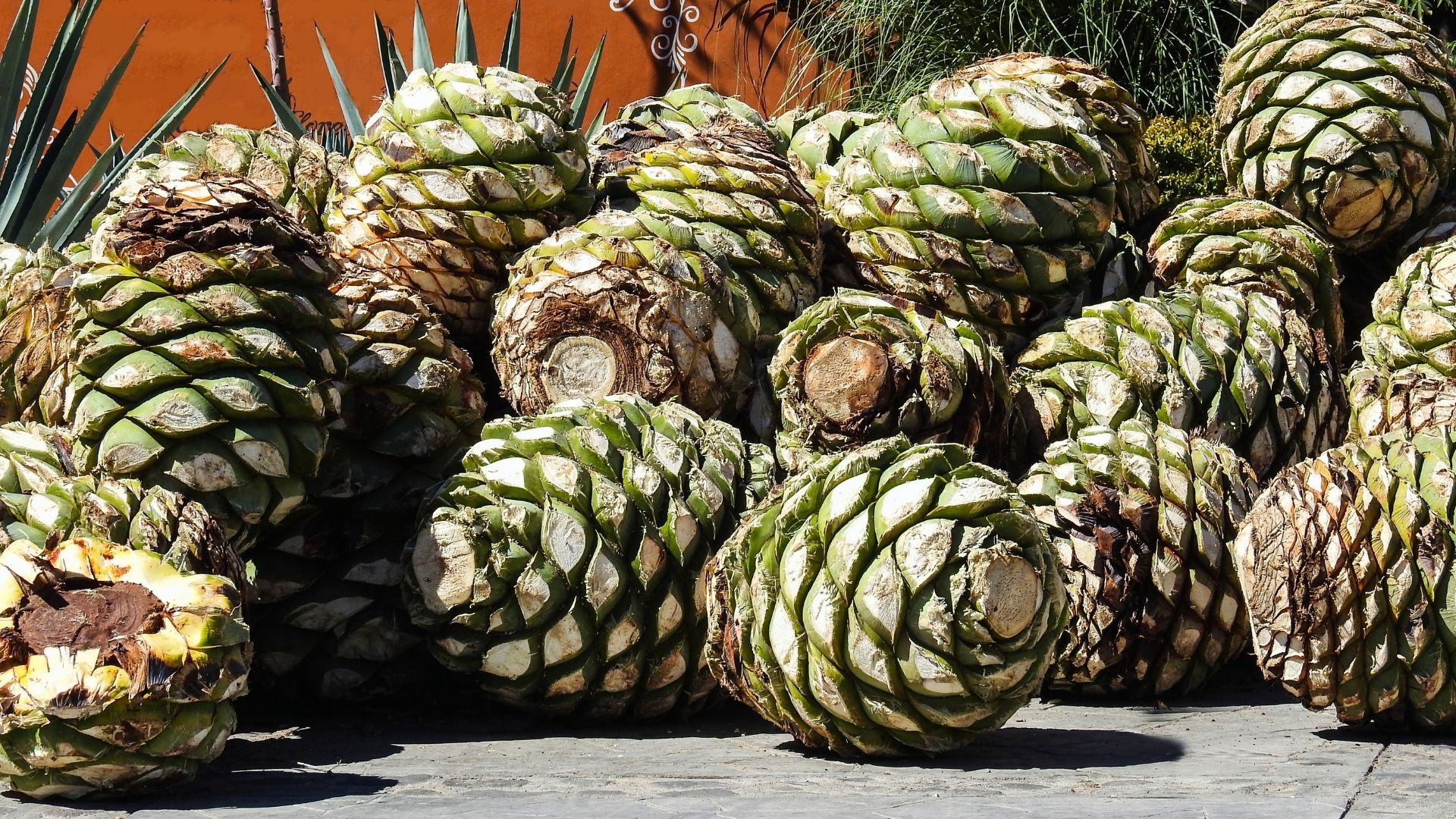
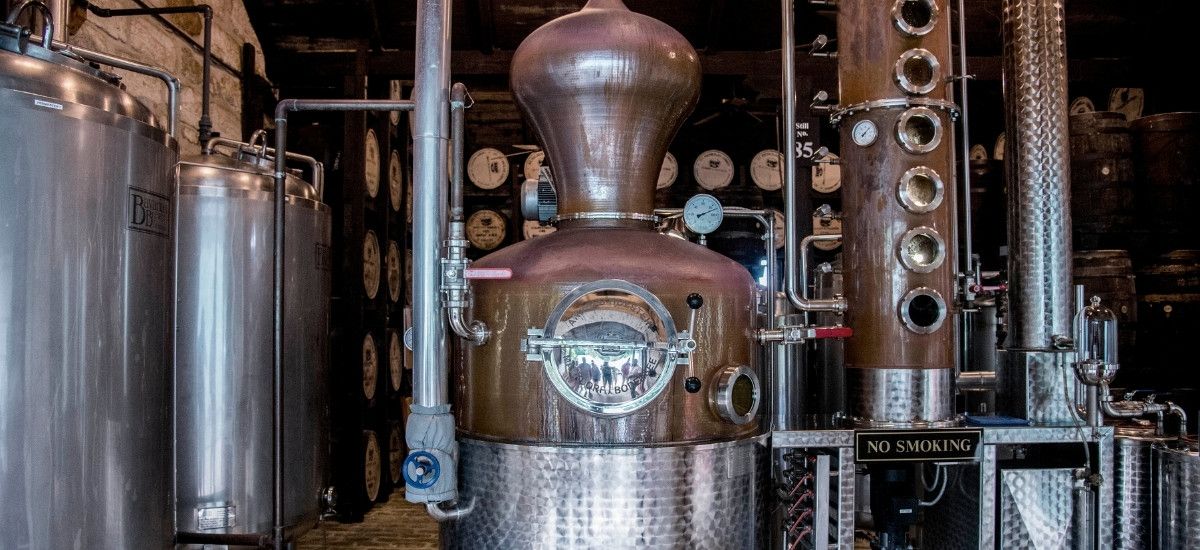
Rum production begins with sugarcane, whether processed into molasses, concentrated syrup, or fresh juice, each base material creating distinct flavor profiles and regional styles. Molasses-based rums dominate global production, using this byproduct of sugar refining that contains residual sugars and complex flavors developed during crystallization. Fresh sugarcane juice, primarily used in French territories for rhum agricole, produces grassier, more vegetal spirits that express terroir similarly to wine. Fermentation periods vary dramatically from twenty-four hours for light rums to several weeks for fuller-bodied styles, with yeast strains contributing significant flavor development. Distillation methods split between column stills producing lighter, cleaner spirits and pot stills creating heavier, more flavorful rums rich in congeners.
The Caribbean's diverse traditions reflect colonial influences: English islands favor pot stills and extended aging, Spanish territories emphasize column distillation and solera systems, while French territories maintain agricole production under strict AOC regulations. Water source, fermentation temperature, distillation proof, and aging conditions all influence final character, allowing infinite variation within basic parameters. This flexibility enables producers to craft everything from neutral mixing spirits to complex sipping rums expressing individual philosophy and regional tradition.
Geographic Diversity and Cultural Heritage
Rum production spans tropical regions globally, though the Caribbean remains its spiritual and commercial center, with each island nation maintaining distinct traditions shaped by colonial history and local preferences. Barbados claims rum's birthplace, with Mount Gay operating since 1703, producing elegant rums that balance richness with refinement through traditional pot still distillation and tropical aging. Jamaica creates the category's most distinctive rums through extended fermentation using wild yeasts and dunder (previous distillation residue), producing intensely flavored, ester-rich spirits prized by collectors and cocktail enthusiasts.
Cuban rum, exemplified by Havana Club, emphasizes lightness and elegance through column distillation and careful filtration, creating smooth spirits ideal for classic cocktails like mojitos and daiquiris. Martinique's rhum agricole, protected by AOC regulations similar to French wine, requires fresh sugarcane juice and specific production methods, creating terroir-driven spirits that challenge rum stereotypes. Beyond the Caribbean, significant production occurs in Central and South America, with Guatemala's Zacapa and Venezuela's Diplomático gaining international recognition for sophisticated aged expressions. Asian markets increasingly produce rum, with Philippines' Tanduay ranking among global volume leaders, while Indian and Thai rums explore local sugarcane varieties and aging conditions.
Understanding Categories and Appreciating Quality
Beginning rum exploration requires understanding basic categories that indicate production method and intended use rather than quality levels, as no universal classification system exists across producing nations. White or silver rums typically undergo minimal aging and filtration to remove color, providing clean, mixable spirits essential for cocktails, though premium white rums offer surprising complexity for neat consumption. Gold or amber rums gain color from barrel aging or caramel addition, offering more flavor while maintaining mixing versatility, bridging the gap between white and aged expressions. Dark rums encompass everything from young, heavily colored spirits to genuinely aged expressions, requiring careful label reading to distinguish authentic aging from cosmetic coloring.
Aged rums, particularly those stating specific years, represent the category's pinnacle, with tropical aging accelerating maturation compared to continental climates, making a twelve-year Caribbean rum comparable to much older Scotch. Spiced rums and flavored variants appeal to broader audiences though purists often dismiss them, yet quality examples demonstrate thoughtful spice integration rather than simple sweetening. Understanding rum requires recognizing that color doesn't indicate quality, age statements vary by regional regulations, and added sugar remains controversial but common, making producer reputation crucial for navigation.

The Takeaway
Rum offers unparalleled diversity within spirits categories, providing options for every palate, occasion, and budget while maintaining deep cultural significance across producing regions. The category's accessibility makes it ideal for spirits education, progressing from mixing rums through aged expressions to rare agricoles, each step revealing new complexity and challenging preconceptions. Understanding rum means appreciating both its problematic history tied to colonialism and slavery alongside its role in Caribbean cultural identity and economic development.
Modern craft distillers increasingly embrace transparency about production methods and ingredients, addressing historical opacity that obscured quality indicators behind marketing rhetoric. The rise of premium rum challenges whiskey's dominance in aged spirits, offering comparable complexity at often better value, particularly for tropical-aged expressions where angel's share accelerates concentration. Climate change threatens traditional production through hurricane intensification and drought, prompting innovation in sustainable agriculture and production methods that may redefine future rum. Whether enjoyed in tropical cocktails or savored neat, rum rewards exploration with discoveries ranging from funky Jamaican overproofs to elegant Barbadian vintages, ensuring endless learning opportunities within this dynamic category.