Mexico's Noble Spirit Transformed
From ancient Aztec fermentation to Hollywood endorsements, this agave-based spirit has evolved from regional tradition to global luxury phenomenon while battling misconceptions and quality challenges.

Tequila represents Mexico's most iconic contribution to world spirits, a denomination-protected beverage that can only be produced in specific regions of Mexico from the blue Weber agave plant. This distinctive spirit emerged from pre-Columbian pulque traditions, evolved through Spanish distillation techniques, and transformed into a global luxury category commanding respect alongside cognac and single malt whisky. The journey from harsh, mixto-filled bottles to ultra-premium sipping tequilas reflects broader shifts in consumer sophistication and Mexican cultural pride.
True tequila production requires patience, as blue agave plants mature for six to twelve years before harvest, creating inherent scarcity that drives both value and vulnerability to market speculation. Modern tequila straddles two worlds: industrial operations producing for volume markets and margaritas, and artisanal producers crafting complex spirits that express terroir through traditional methods. Understanding tequila means appreciating its agricultural foundation, regulatory framework, and cultural significance beyond stereotypical associations with salt, lime, and regrettable decisions.
Tequila can only be produced in designated regions of Mexico and must be made from at least 51 percent Blue Weber agave, though the best tequilas use 100 percent agave.
Categories Define Character
Tequila classification follows strict regulations based on aging duration and production methods, creating distinct categories that indicate style rather than quality hierarchies.
Blanco or silver tequila, unaged or rested fewer than two months, provides purest agave expression with vegetal, peppery notes and citrus brightness that sophisticated drinkers increasingly appreciate neat. Reposado, meaning "rested," spends two to twelve months in oak barrels, developing golden color and subtle vanilla notes while maintaining agave character, representing ideal balance for both sipping and premium cocktails. Añejo tequila ages one to three years in barrels no larger than 600 liters, developing complexity comparable to aged whiskey with caramel, spice, and oak influences complementing mellowed agave flavors. Extra Añejo, established in 2006, requires minimum three years aging, creating luxurious spirits with profound depth that command premium prices and challenge preconceptions about tequila's potential.
Beyond aging classifications, the distinction between 100% agave tequila and mixto, which permits up to 49% non-agave sugars, fundamentally impacts quality, with pure agave expressions delivering superior flavor and avoiding harsh congeners associated with hangovers. Understanding these categories enables informed selection while recognizing that excellence exists across age statements when producers prioritize quality ingredients and careful production.
Geographic Roots and Production Realities
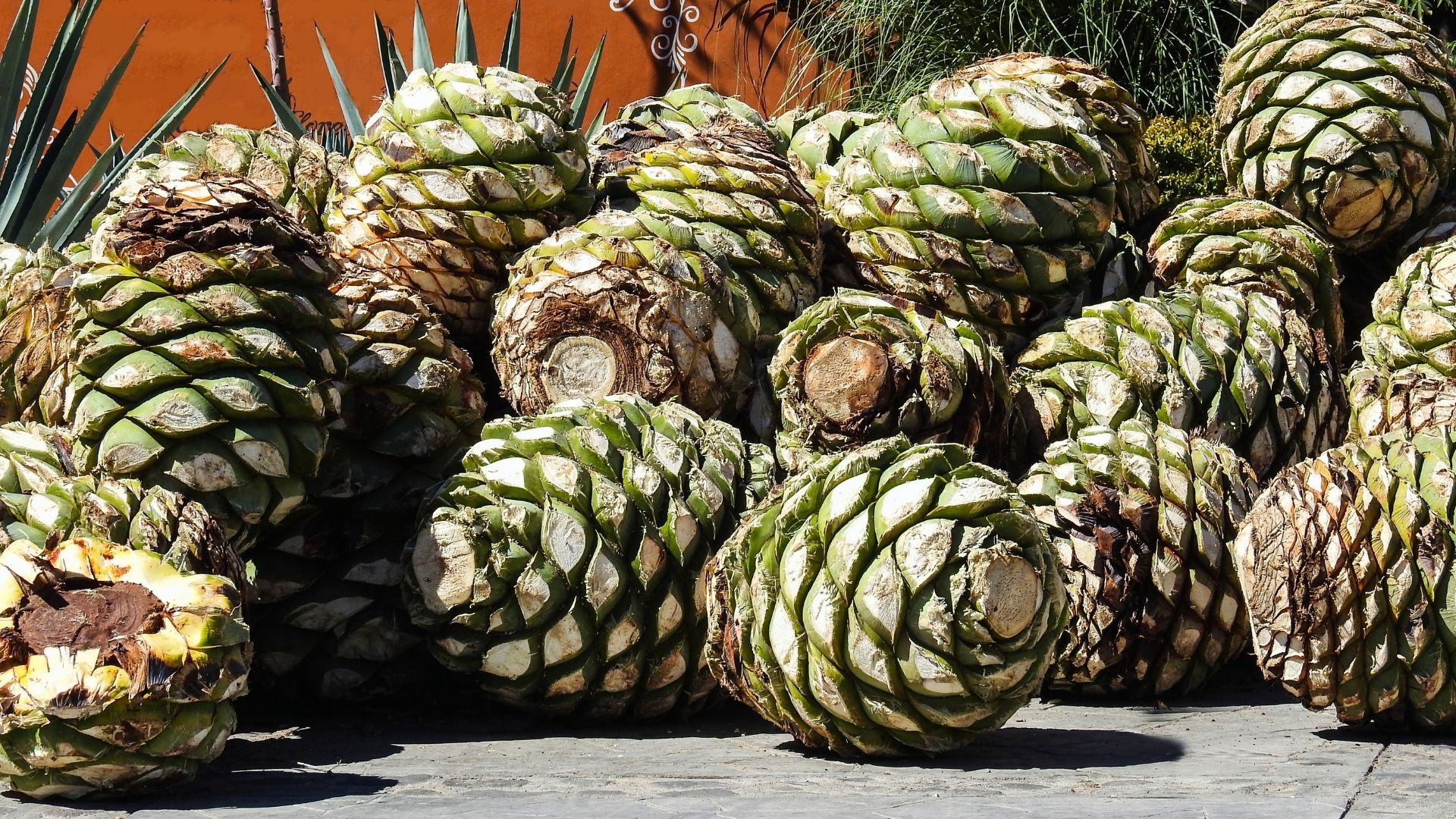
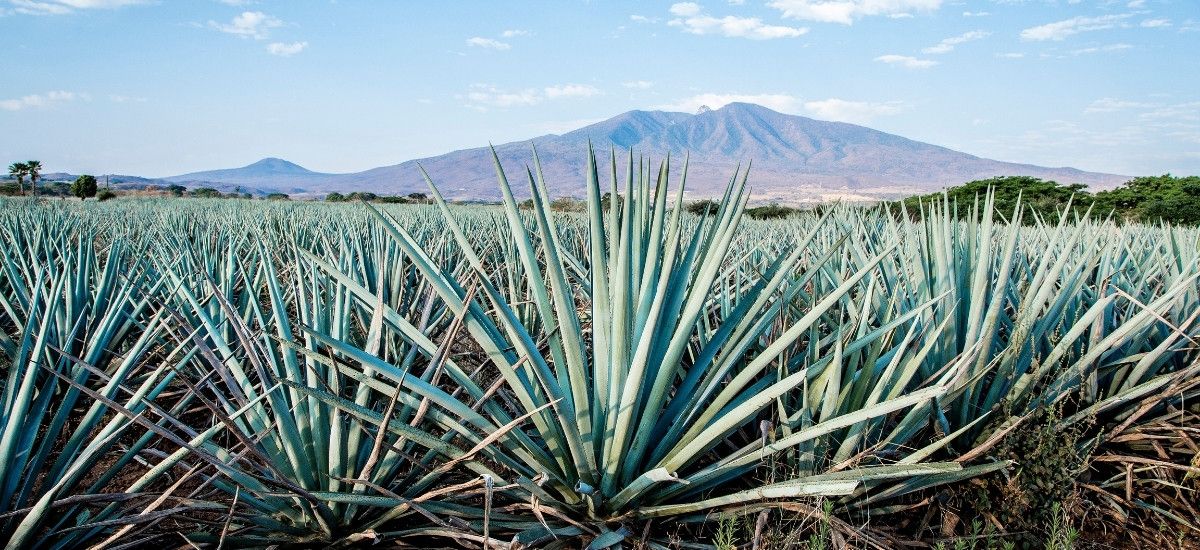
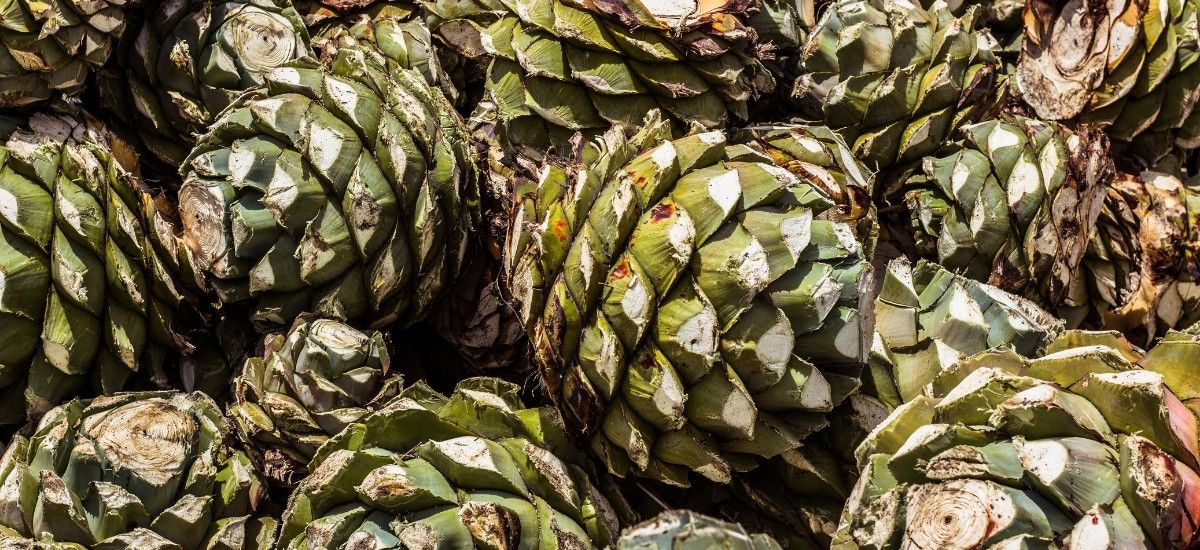
Tequila's denomination of origin restricts production to five Mexican states, with Jalisco producing over 90% of total volume, particularly in the town of Tequila and surrounding highlands and lowlands. Highland agaves from Los Altos region, grown at elevation in iron-rich red soil, typically yield sweeter, fruitier tequilas with floral notes, while valley agaves from lower elevations produce earthier, more herbaceous spirits with mineral character. The production process begins with jimadores, skilled harvesters who hand-cut mature agave plants, removing leaves to reveal the piña heart weighing up to 200 pounds. Traditional producers slow-roast piñas in stone ovens called hornos for 24-72 hours, developing complex flavors through caramelization, while industrial operations use autoclaves or diffusers for efficiency at flavor's expense.
Fermentation occurs naturally with wild yeasts or through cultured additions, followed by double distillation in copper pot stills or column stills, with distillation proof significantly impacting final character. The sustainability crisis looms as agave monoculture depletes soil, while rising demand creates shortages driving farmers to harvest immature plants, compromising quality and threatening long-term viability. Traditional producers maintaining estate agave, brick ovens, and tahona wheels for crushing demonstrate that artisanal methods survive despite economic pressures toward industrialization.
The Contemporary Tequila Phenomenon
Tequila's transformation from spring break staple to sophisticated spirit reflects changing consumer preferences and successful premiumization strategies that repositioned the category entirely. Premium tequila sales growth consistently outpaces other spirits categories, driven by consumers willing to pay substantial premiums for authentic, additive-free expressions from respected producers. Celebrity involvement exploded recently, with George Clooney's billion-dollar Casamigos sale inspiring countless entertainers and athletes to launch brands, though marketing budgets often exceed liquid quality. The proliferation of celebrity brands creates confusion as purchased bulk tequila gets repackaged under glamorous labels, making producer reputation and transparency crucial for quality assessment.
Major traditional brands like Patrón, Don Julio, and Herradura balance volume production with quality maintenance, though acquisition by multinational corporations raises concerns about cost-cutting compromising standards. The rise of tequila tourism brings consumers directly to distilleries, fostering appreciation for production methods and cultural context while generating economic benefits for local communities. Cocktail culture's evolution elevated tequila beyond margaritas, with bartenders showcasing its versatility in spirit-forward drinks that highlight rather than mask agave character, educating consumers about quality indicators and proper appreciation.
The Takeaway
Tequila stands at a critical juncture where explosive global demand meets traditional production constraints, creating opportunities and challenges for an industry balancing authenticity with commercialization. The spirit's evolution from misunderstood shot to sophisticated sipper demonstrates how education and quality can transform category perception, though vigilance remains necessary to distinguish genuine craft from marketing artifice. Understanding tequila requires appreciating its agricultural foundation, where patient agave cultivation creates inherent value that industrial shortcuts cannot replicate regardless of celebrity endorsement or packaging elegance.
The category's regulatory framework provides important protection, though enforcement varies and additives remain permitted without disclosure, making producer transparency and independent verification increasingly important. Climate change and sustainability concerns challenge traditional practices, prompting innovation in cultivation, production efficiency, and waste management that may redefine future tequila while maintaining essential character. The democratization of premium tequila offers extraordinary quality at various price points, rewarding exploration beyond familiar brands to discover family producers maintaining traditions while embracing selective modernization. Ultimately, tequila represents Mexico's liquid heritage deserving respect equal to any global spirit, with complexity and craftsmanship that reward patient appreciation over quick consumption.