The Juniper Spirit That Conquered the World
A spirit with applications ranging from medieval medicine to modern mixology.
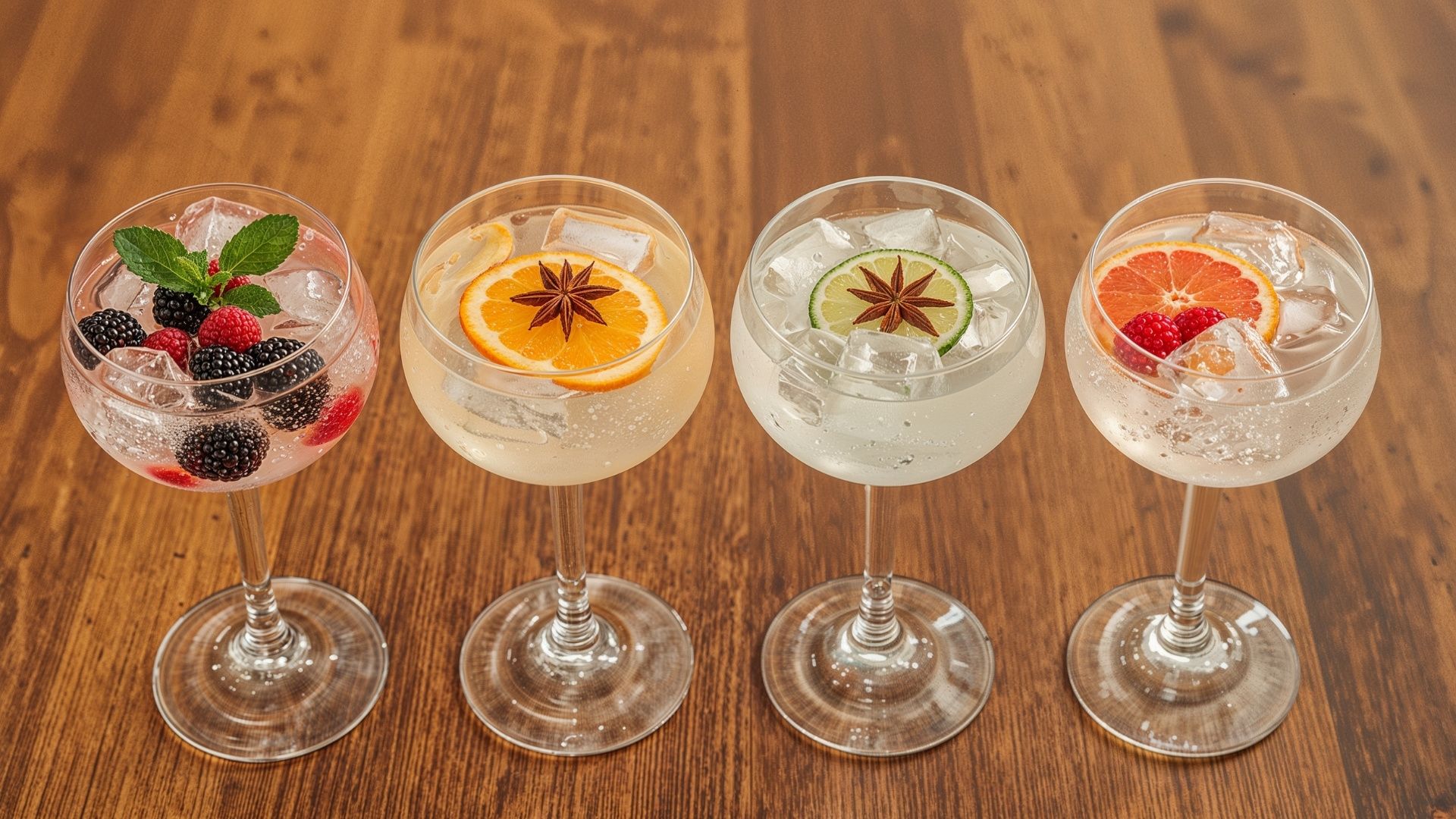
Gin stands as one of the world's most versatile and historically rich spirits, defined by its predominant juniper flavoring and embraced across continents for centuries. Originating as a medicinal tonic in medieval monasteries, gin evolved from Dutch genever into the London Dry style that would define British drinking culture and eventually captivate global palates. Today's gin renaissance has transformed this once-humble botanical spirit into a canvas for creative distillers worldwide, who infuse regional ingredients and innovative techniques into countless expressions. This exploration traces gin's fascinating journey from apothecary shelves to craft distillery showcases.
Once the spirit of rebellion and ruin, gin has evolved into a canvas for creativity - a timeless blend of botanicals, craft, and culture.
From Genever to Empire: Gin's Historical Evolution
Gin's story begins in 16th-century Netherlands, where physician Franciscus Sylvius created genever, a juniper-infused medicinal spirit intended to treat kidney ailments. English soldiers fighting in the Thirty Years' War encountered this 'Dutch courage' and brought the taste home, where it exploded in popularity during the early 1700s. The Gin Craze of 1720s-1740s London saw rampant consumption and social devastation, with gin shops outnumbering alehouses and the spirit blamed for urban decay.
Parliamentary acts eventually regulated production, leading to quality improvements and the emergence of respected houses like Gordon's (1769) and Tanqueray (1830). These distillers perfected the London Dry style, characterized by redistillation with botanicals, no added sweeteners, and crisp juniper-forward profiles. Gin became inextricably linked with British naval tradition (the gin and tonic protected against malaria) and colonial expansion, spreading the spirit's popularity to India, Africa, and beyond. This transformation from medicinal remedy to cultural icon established gin's enduring global presence.
Global Production and Regional Expressions
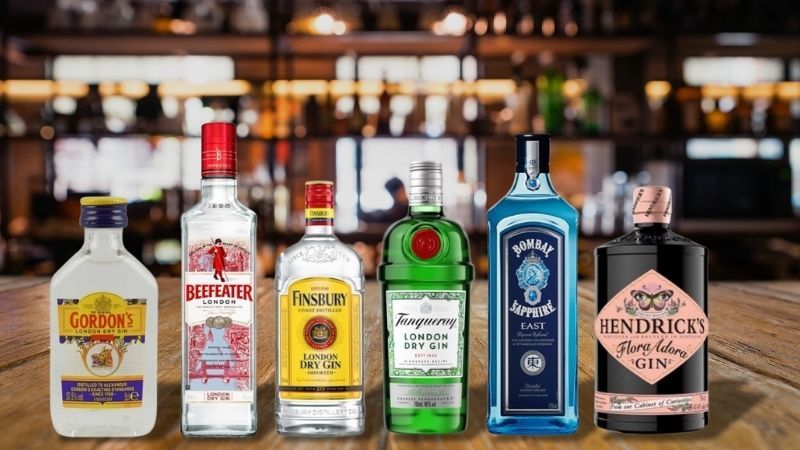
While Britain remains gin's spiritual home and largest producer by reputation, gin production today spans the globe with remarkable diversity. The United Kingdom boasts hundreds of distilleries producing everything from classic London Dry to contemporary styles, with brands like Hendrick's, Sipsmith, and The Botanist leading innovation. Spain has emerged as a gin superpower, consuming more gin per capita than any nation and producing exceptional Mediterranean-style gins featuring local botanicals like olives and citrus.
The United States craft distilling boom has yielded distinctly American gins incorporating regional ingredients such as California citrus, Pacific Northwest Douglas fir, and Southwestern desert botanicals. Germany produces excellent gins emphasizing technical precision, while India's craft distilleries incorporate indigenous spices like curry leaf and kokum. Even Japan has entered the arena with delicate, refined gins featuring yuzu and sakura. This geographic diversity reflects gin's remarkable adaptability, with each region's botanical palette creating unique flavor signatures that maintain juniper's prominence while celebrating local terroir.
The Modern Gin Renaissance
The 21st century has witnessed gin's extraordinary resurgence, transforming from an outdated spirit into the darling of craft distillers and cocktail enthusiasts. This renaissance began around 2010, fueled by the craft spirits movement, premium cocktail culture, and consumer desire for authenticity and provenance. Modern distillers experiment boldly with botanical combinations, from floral expressions bursting with rose and elderflower to savory gins incorporating seaweed and coastal herbs. The rise of flavored and colored gins, while controversial among purists, has attracted new demographics, particularly younger drinkers drawn to Instagram-worthy pink and violet hues. Navy Strength gins (57% ABV or higher) appeal to cocktail aficionados seeking bold flavors that stand up to mixers.
Barrel-aged gins blur the line between gin and whiskey, while molecular techniques allow distillers to capture delicate aromatics previously impossible to preserve. This innovation has driven remarkable market growth, with global gin sales increasing substantially and premium gins commanding impressive shelf prices, proving that gin's versatility and botanical complexity resonate powerfully with contemporary tastes.

The Takeaway
Gin's journey from Dutch medicine to global phenomenon illustrates spirits' power to evolve while maintaining essential character. Its juniper heart remains constant even as distillers worldwide push creative boundaries, incorporating thousands of botanical combinations that reflect local landscapes and cultural preferences. The modern gin industry thrives on this tension between tradition and innovation, offering everything from historically accurate recreations to avant-garde experiments. For beverage enthusiasts, gin presents endless exploration opportunities, each bottle telling stories of place, botanicals, and the distiller's vision. As craft distilleries continue proliferating and consumer sophistication grows, gin's renaissance shows no signs of slowing, ensuring this remarkable spirit's relevance for generations to come.