Don Julio and the Evolution of High-End Tequila
How one visionary distiller transformed a rustic Mexican spirit into a global symbol of luxury and craftsmanship.
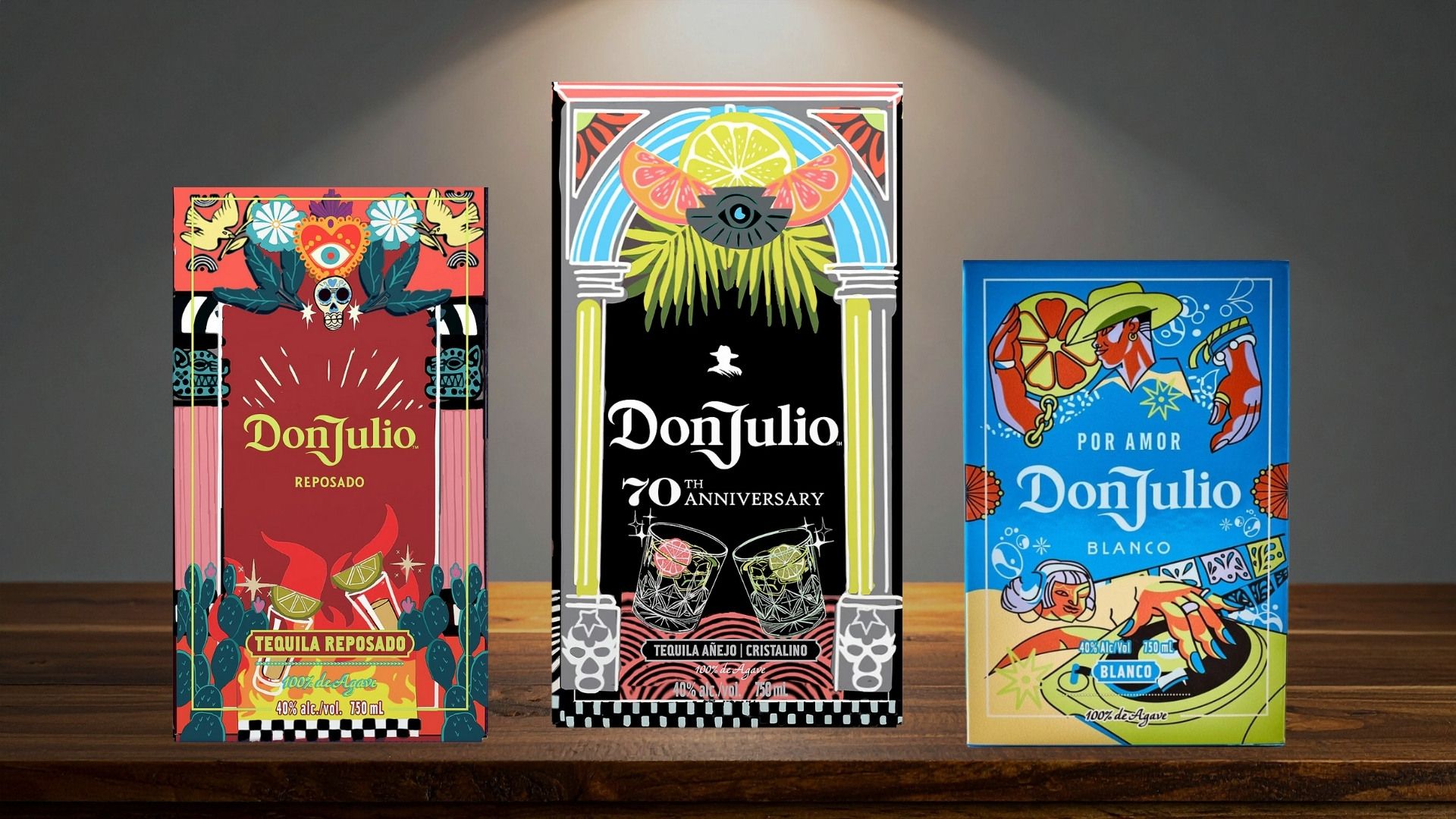
The story of premium tequila cannot be told without centering the contributions of Don Julio González Estrada. In an era when tequila was largely regarded as an unrefined party spirit, consumed quickly and often regretted the following morning, Don Julio envisioned something entirely different. He saw in the blue agave plant the potential for sophistication, complexity, and prestige comparable to the finest Cognacs and single malt Scotches.
This vision, pursued with relentless dedication over decades, fundamentally altered the trajectory of an entire spirits category. Today, the brand bearing his name stands as the definitive expression of luxury tequila, commanding premium prices and occupying prominent positions in the world's finest bars and restaurants. Understanding Don Julio's legacy provides essential context for any beverage professional seeking to appreciate how craft, persistence, and uncompromising quality standards can elevate a regional product to international acclaim.
Don Julio González revolutionized tequila in 1942 by prioritizing quality over volume, introducing longer aging, lower-yield agave farming and refined distillation practices.
The Foundations of an Obsession
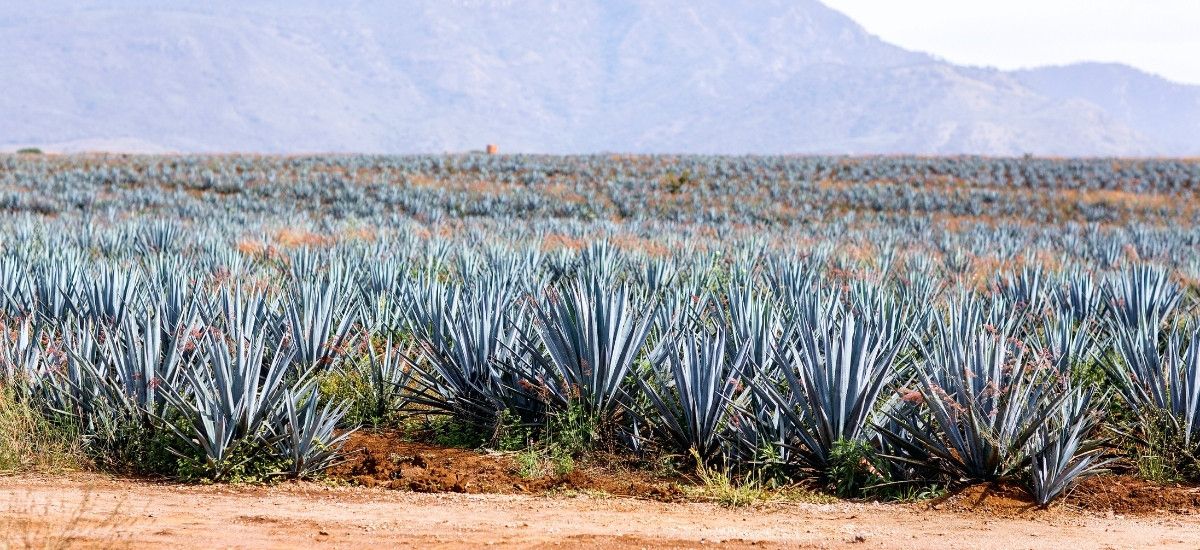
Don Julio González began his distilling career at the remarkable age of seventeen, establishing his first distillery in 1942 in the highlands of Jalisco, Mexico. This region, known as Los Altos, provides the specific terroir that distinguishes highland tequilas from their lowland counterparts, producing agave with higher sugar content and fruit forward characteristics. From the outset, Don Julio rejected the shortcuts that characterized much of the tequila industry.
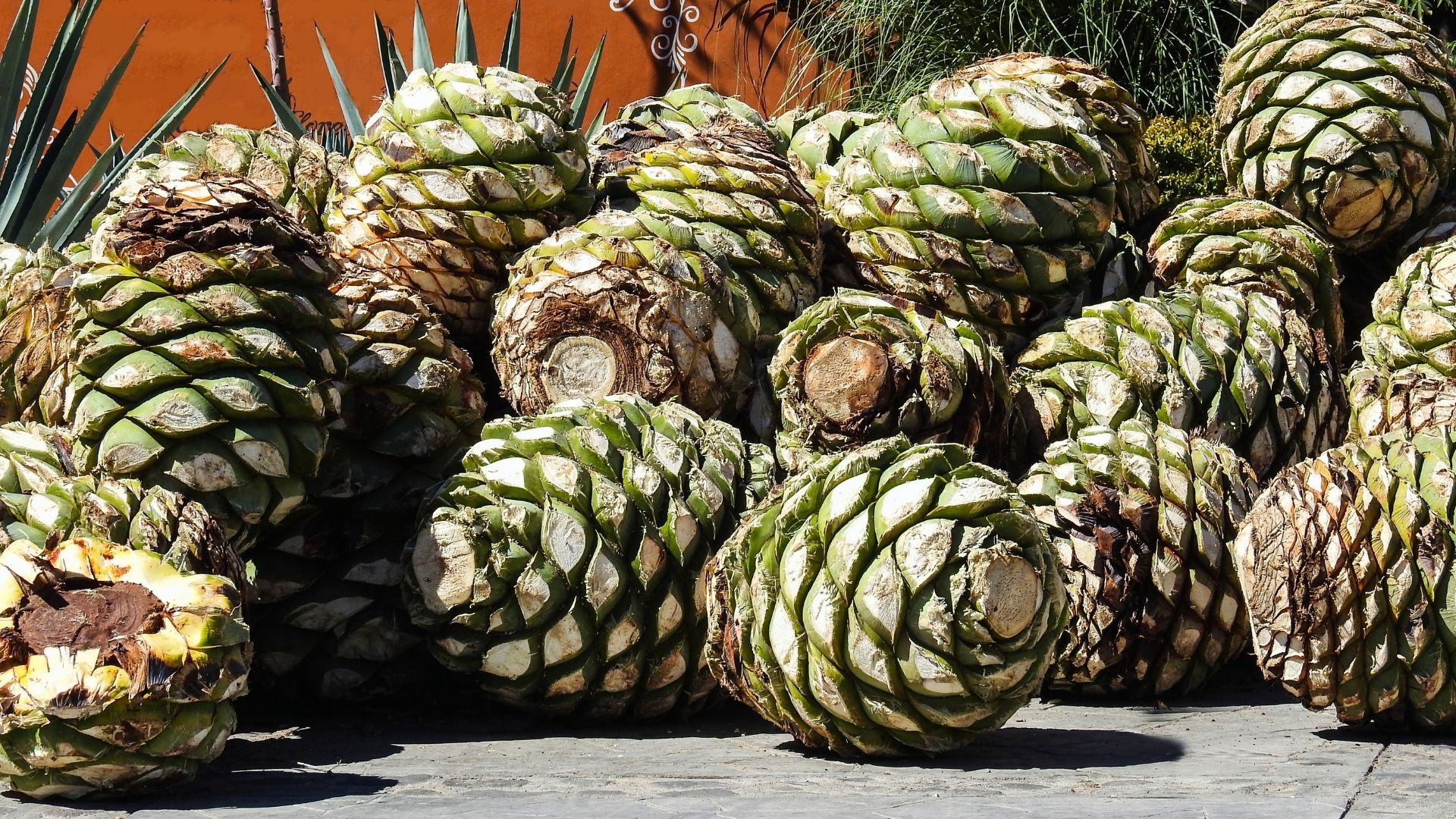
While competitors harvested young agave plants to accelerate production, he insisted on waiting until the plants reached full maturity, sometimes requiring eight to ten years of patient cultivation. He implemented slow roasting methods in traditional brick ovens, allowing the agave to caramelize gradually rather than rushing the process with industrial autoclaves. Perhaps most significantly, Don Julio pioneered the concept of small batch production in tequila, limiting output to maintain absolute quality control. These methods added considerable cost and time to production, but they yielded a spirit of unprecedented smoothness and complexity. His approach established the template that all premium tequila producers would eventually follow.
Redefining What Tequila Could Become
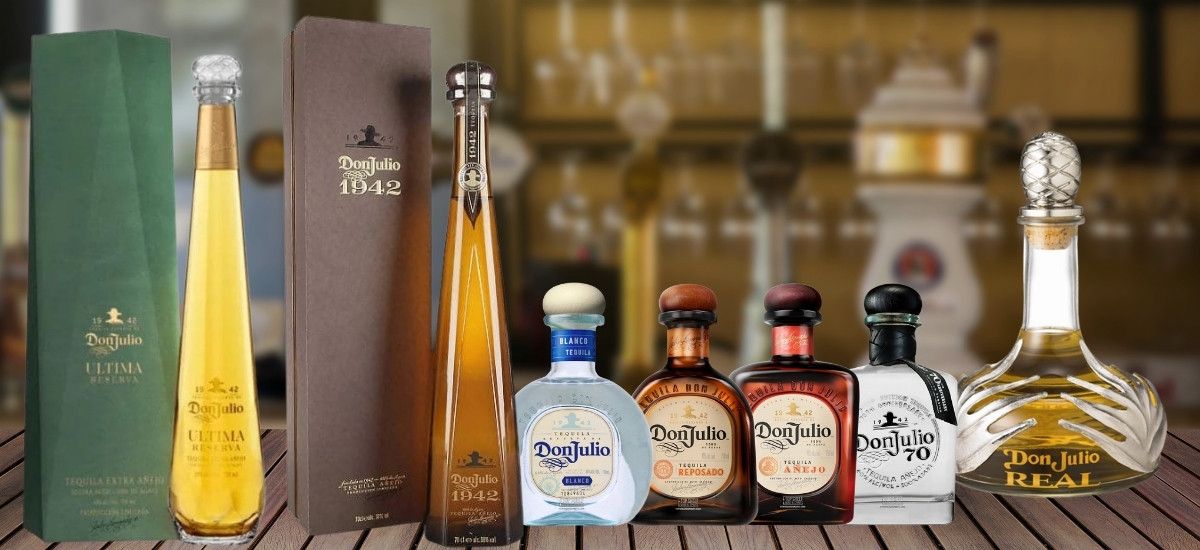
Tequila as a category encompasses several distinct styles, each representing different degrees of aging and character development. Blanco, or silver tequila, is bottled shortly after distillation, preserving the pure expression of cooked agave. Reposado rests in oak barrels for two to twelve months, acquiring subtle wood influence and golden coloring. Añejo ages for one to three years, developing deeper complexity and amber hues. Extra añejo, a classification formalized only in 2006, requires minimum aging of three years and approaches the character of fine aged spirits from other traditions.
Don Julio's portfolio spans these categories, but the brand achieved its most significant commercial and critical breakthrough with the release of Don Julio 1942. This añejo expression, created to commemorate the sixty year anniversary of the founder's first distillery, demonstrated that tequila could stand alongside prestige spirits in terms of smoothness, depth, and luxury positioning. The distinctive tall bottle and premium price point signaled a new category altogether, one where tequila competed not against other tequilas but against Champagne and rare whiskey for celebratory occasions.
A Legacy That Continues to Shape the Industry
The influence of Don Julio extends far beyond the brand itself. His insistence on quality established benchmarks that lifted the entire premium tequila segment, inspiring competitors to improve their own practices. The success of 1942 and subsequent ultra premium releases demonstrated market appetite for luxury Mexican spirits, opening pathways for other artisanal producers to command appropriate prices for their craft. Following Don Julio González's death in 2012, the brand has continued under the ownership of Diageo, which acquired the label in 2014. While some traditionalists express concern about corporate stewardship of artisanal brands, Don Julio has maintained its quality standards and expanded its global distribution significantly.
The brand now ranks among the world's best selling premium tequilas, with particular strength in the United States, where it has become synonymous with celebration and refined taste. For hospitality professionals, Don Julio represents an essential portfolio component, capable of satisfying guests who associate the brand with quality and those seeking introduction to premium tequila for the first time.
The Takeaway
Don Julio González's contribution to the spirits world transcends the brand that bears his name. He proved that tequila, long dismissed as a harsh spirit suitable only for shots and margaritas, possessed the potential for genuine sophistication when produced with care and aged with patience. His methods, once considered impractical and overly demanding, have become the standard by which premium tequila is now judged. The success of expressions like 1942 opened markets and minds, demonstrating that consumers would pay premium prices for Mexican spirits when quality justified the investment.
For the beverage professional, familiarity with Don Julio provides both practical utility and philosophical instruction. The brand's portfolio offers accessible entry points and aspirational pinnacles, serving diverse guest needs and occasions. More importantly, Don Julio's story illustrates how vision, craftsmanship, and refusal to compromise can transform perceptions and create entirely new market categories. In an industry often tempted by shortcuts and cost reduction, this legacy of uncompromising quality remains both inspiring and commercially instructive.