Buffalo Trace Is America's Most Storied Distillery
Discovering the Kentucky landmark that survived Prohibition, shaped bourbon history, and produces some of the world's most coveted whiskeys.
On the banks of the Kentucky River in Frankfort, a distillery has operated continuously for over two centuries, weathering wars, economic catastrophes, and the existential threat of Prohibition to emerge as perhaps the most celebrated bourbon producer in the world. Buffalo Trace Distillery holds the distinction of being the oldest continually operating distillery in the United States, a claim substantiated by records dating its origins to 1775 when settlers first distilled spirits on the property.
Today, this historic site produces bottles that inspire fervent devotion and command extraordinary prices, with allocated releases generating lines, lotteries, and secondary market premiums that would astonish the frontier distillers who first worked these grounds. Understanding Buffalo Trace requires appreciation of both its remarkable history and its current portfolio of brands, several of which have achieved near mythical status among whiskey enthusiasts. The distillery's story illuminates broader themes of American craft, resilience, and the curious alchemy by which certain products transcend their categories to become cultural phenomena.
Buffalo Trace is the oldest continually operating distillery in the United States, surviving Prohibition by producing “medicinal whiskey.”
Centuries of Continuous Production
The land now occupied by Buffalo Trace has witnessed distilling activity since before American independence, taking its name from the ancient pathway where buffalo herds crossed the Kentucky River. Commercial distilling commenced in earnest during the early nineteenth century, with various owners developing the site into a significant production facility. The distillery operated under different names throughout its history, including Old Fire Copper, George T. Stagg, and Ancient Age, before adopting its current identity in 1999. The most remarkable chapter in this long history occurred during Prohibition, when the distillery received one of only four licenses granted by the federal government to produce whiskey for medicinal purposes. This legal exemption allowed continuous operation from 1920 to 1933 while thousands of other American distilleries closed permanently.
The medicinal whiskey designation required legitimate pharmaceutical distribution, but it preserved institutional knowledge, maintained equipment, and kept skilled workers employed during years that devastated the broader industry. When Prohibition ended, Buffalo Trace possessed advantages that competitors who had shuttered operations could not match. This continuity of production across nearly 250 years represents an unbroken thread connecting contemporary bourbon to its earliest American origins.

The Brands That Built a Legend
Buffalo Trace produces an extraordinary portfolio of whiskeys, several of which have achieved cult status that far exceeds available supply. Pappy Van Winkle, while technically produced by Buffalo Trace under contract for the Van Winkle family, generates perhaps the most intense collector demand of any American whiskey. The fifteen, twenty, and twenty three year expressions routinely sell for thousands of dollars on secondary markets despite suggested retail prices a fraction of those figures. W.L. Weller bourbons, using a wheated mashbill similar to Pappy Van Winkle, offer more accessible entry points while still commanding significant premiums and allocation restrictions.
Eagle Rare, aged ten years and released as a single barrel expression, delivers remarkable quality at prices that remain relatively reasonable when bottles can be found. Blanton's, introduced in 1984 as the first commercially marketed single barrel bourbon, pioneered a category and maintains devoted following decades later. The eponymous Buffalo Trace bourbon itself provides excellent value and wide availability compared to its allocated siblings. E.H. Taylor, Stagg, and experimental releases from the distillery's warehouse programs further expand a portfolio of remarkable depth. Each brand expresses distinct character while sharing the common foundation of Buffalo Trace's water source, production expertise, and extensive aging warehouses.
Why Scarcity Defines the Modern Era
The extraordinary demand for Buffalo Trace products reflects converging factors that have transformed bourbon from regional spirit to global phenomenon. The bourbon renaissance that began in the early 2000s accelerated dramatically in subsequent years, with appreciation for American whiskey expanding internationally while domestic interest intensified. Buffalo Trace, despite significant capacity expansions, cannot produce aged whiskey faster than time allows. A ten year bourbon released today was distilled a decade ago when demand projections differed dramatically from current reality. This temporal constraint creates structural scarcity that no amount of investment can immediately resolve.
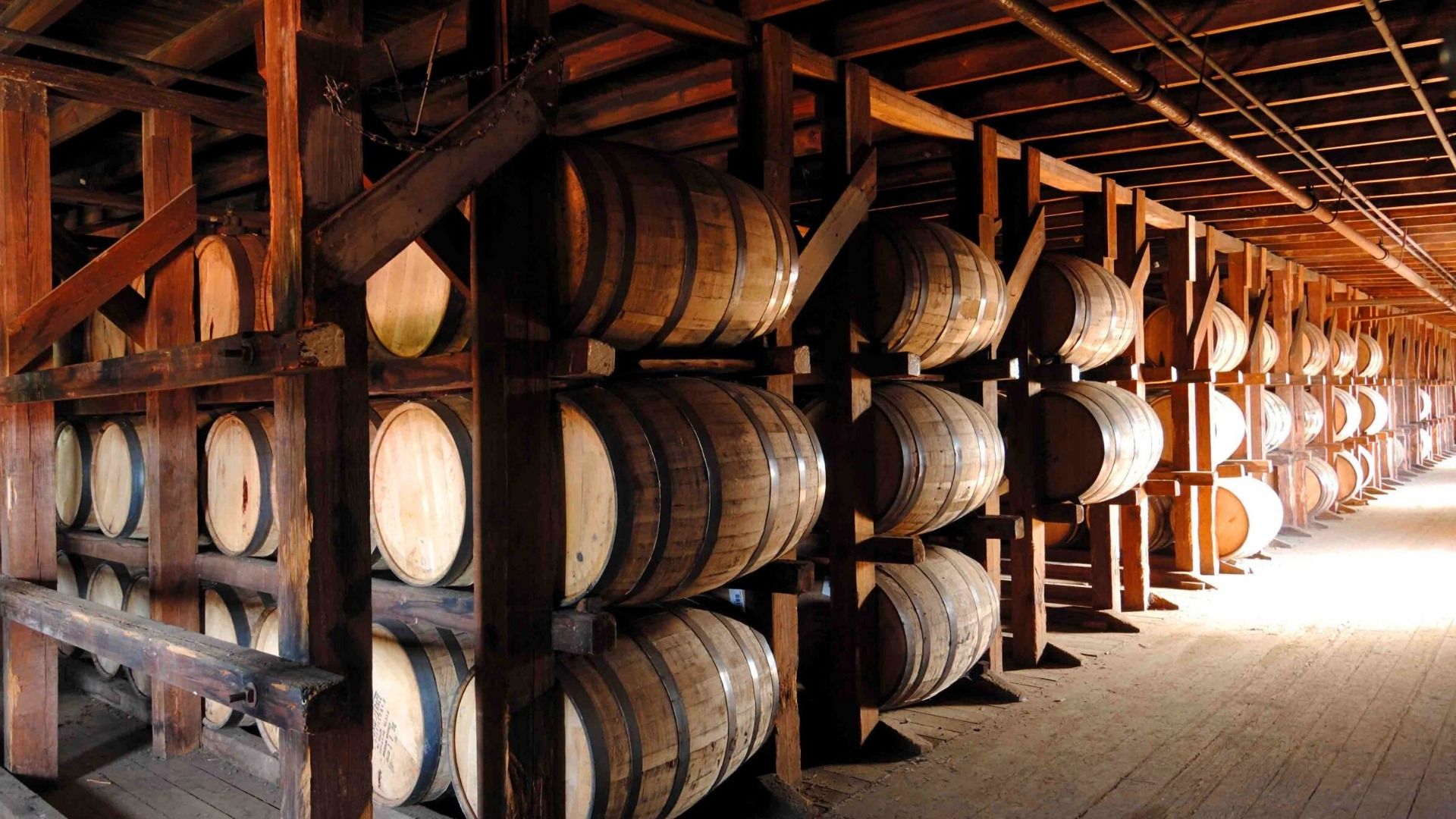
The distillery has expanded production substantially, but years must pass before increased output reaches market as properly aged whiskey. Meanwhile, allocated releases have generated their own momentum, with the difficulty of acquisition enhancing perceived desirability in self reinforcing cycles. Retail pricing maintained below market clearing levels creates arbitrage opportunities that further complicate access for ordinary consumers. The resulting landscape frustrates many enthusiasts who remember when these bottles sat readily available on store shelves. Yet the quality that originally built Buffalo Trace's reputation remains consistent, rewarding those fortunate enough to obtain bottles at reasonable prices with whiskey that justifies its celebrated status.

The Takeaway
Buffalo Trace Distillery represents a living monument to American whiskey heritage, its continuous operation across nearly 250 years connecting contemporary production to frontier origins.
The survival through Prohibition, enabled by medicinal whiskey licensing, preserved knowledge and capability that competitors lost permanently during those dry years. This historical advantage compounds with exceptional water sources, skilled distillers, and vast aging warehouses to produce whiskeys that have captured global imagination. The brands emerging from Buffalo Trace, from accessible expressions bearing the distillery's name to mythologized rarities like Pappy Van Winkle, span a remarkable quality spectrum united by common provenance. Current scarcity reflects demand that production cannot satisfy regardless of expansion efforts, a circumstance that will moderate only as recently distilled whiskey reaches appropriate maturity years hence. For anyone curious about bourbon, Buffalo Trace offers both practical entry points and aspirational targets, bottles to enjoy regularly and bottles to pursue for special occasions.
The distillery welcomes visitors to its Frankfort campus, providing tours that illuminate production processes and historical context unavailable through mere bottle purchases. Whether experienced through accessible releases, fortunate allocated acquisitions, or pilgrimage to the source itself, Buffalo Trace rewards engagement with American whiskey tradition at its most accomplished and enduring.