Exploring Bourbon: A Complete Overview
From frontier necessity to global luxury, this corn-based whiskey embodies American ingenuity while adhering to strict traditions that define its character and quality.
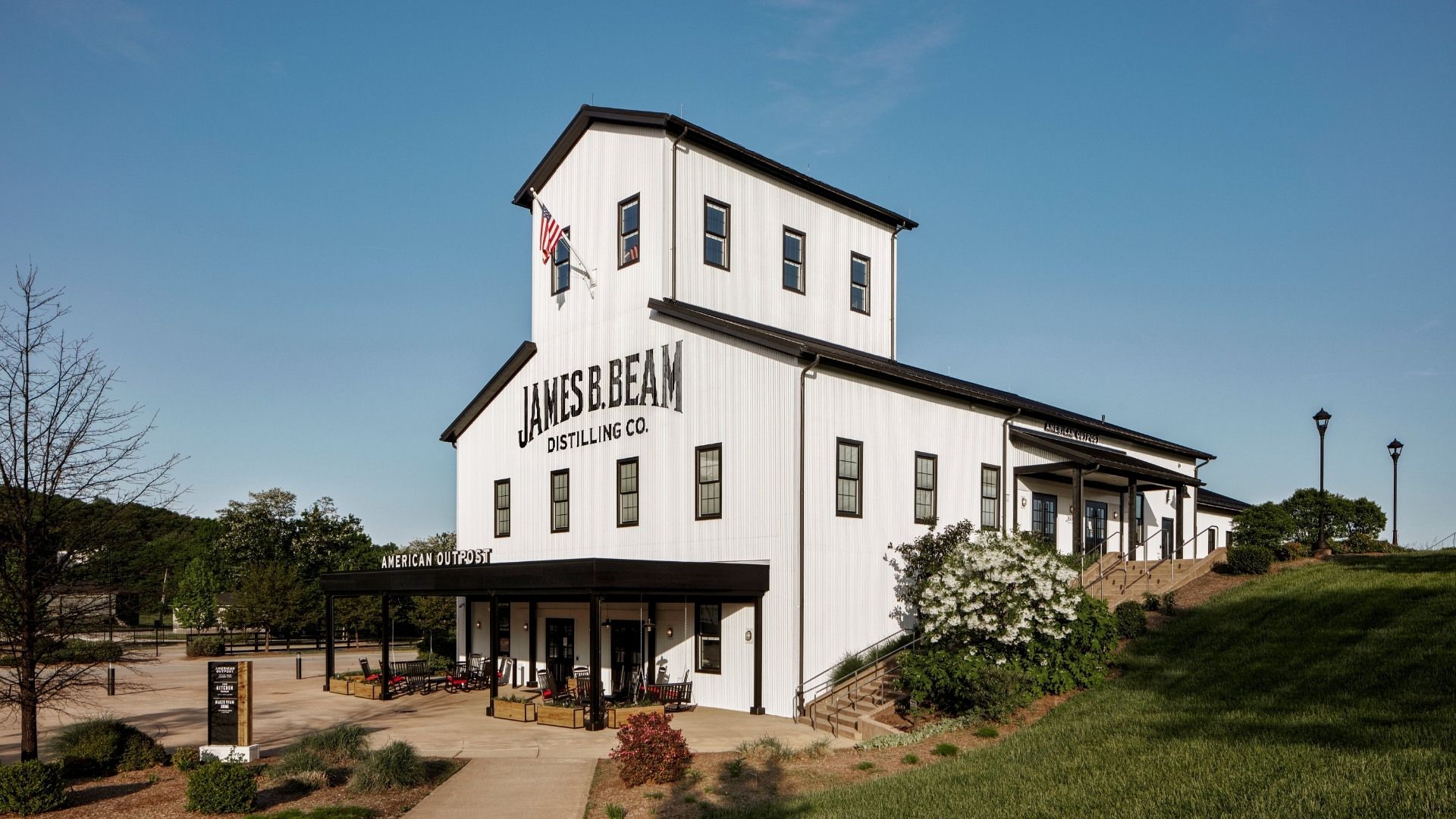
Bourbon stands as America's singular contribution to world whiskey, a legally protected spirit that must meet specific requirements distinguishing it from Scotch, Irish, or Canadian expressions.
This distinctly American whiskey emerged from practical frontier conditions where corn grew abundantly and farmers needed methods to preserve and transport grain value. The spirit's evolution from rough frontier liquor to sophisticated sipping whiskey parallels America's own transformation, with bourbon now commanding respect alongside centuries-old European spirits. Federal regulations codified in 1964 declaring bourbon "America's Native Spirit" establish precise production parameters: minimum 51% corn mashbill, distillation below 160 proof, barrel entry below 125 proof, and aging in new charred oak containers.
These requirements create bourbon's characteristic sweetness, vanilla notes, and amber color while allowing tremendous variation in flavor profiles through mashbill composition, fermentation techniques, and aging conditions. Understanding bourbon requires appreciating both its democratic accessibility and capacity for extraordinary complexity at premium levels.
Bourbon’s popularity has surged in the past decade, with global demand pushing production to record levels and inspiring a new wave of craft distilleries.
Geographic Heritage and Production Fundamentals
While bourbon can legally be produced anywhere in America, Kentucky produces approximately 95% of global supply due to ideal conditions including limestone-filtered water, climate variations that accelerate aging, and generations of distilling expertise. The production process begins with a mashbill combining at least 51% corn with varying proportions of rye, wheat, or barley, each grain contributing distinct flavors from spicy to smooth. Sour mash technique, despite its name, involves adding spent mash from previous distillation to new fermentation, ensuring consistency and preventing bacterial contamination while contributing subtle complexity. Fermentation typically lasts three to five days using proprietary yeast strains that significantly impact flavor development through ester and congener production.
Double distillation through column and pot stills, or variations thereof, concentrates alcohol while preserving flavor compounds, with distillation proof dramatically affecting final character. The defining step involves aging in new charred oak barrels, where seasonal temperature fluctuations force whiskey in and out of wood, extracting vanillins, tannins, and caramelized sugars from the charred layer. This interaction between spirit and wood contributes approximately 60-70% of bourbon's final flavor, making barrel selection and warehouse positioning critical quality factors that master distillers carefully manage.
Regulatory Framework Defines Identity
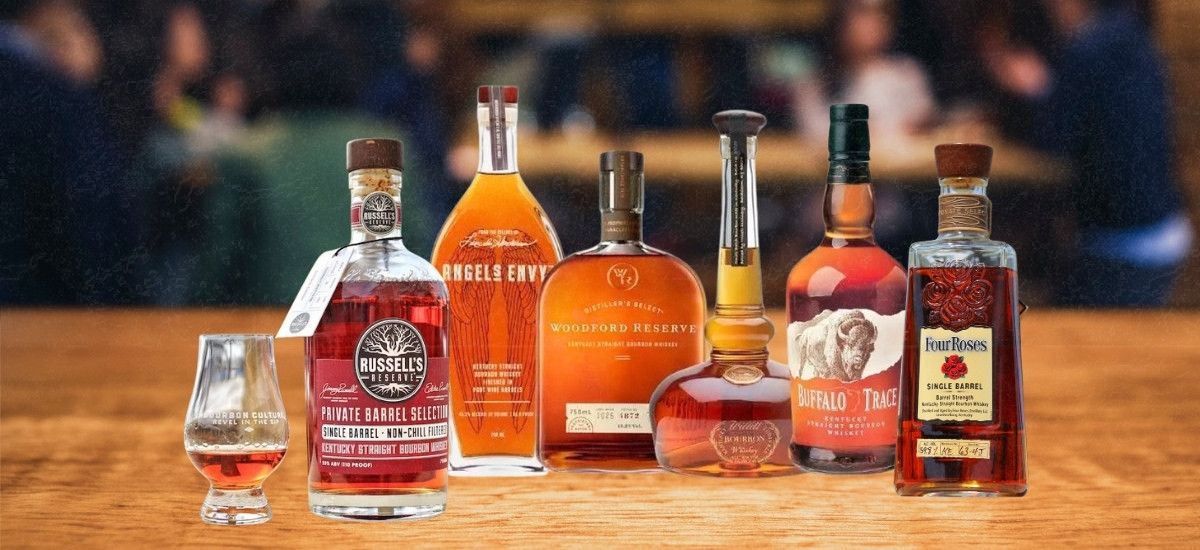
Bourbon's legal definition provides both protection and restriction, ensuring authenticity while allowing creative interpretation within established parameters that maintain category integrity. The requirement for new charred oak barrels, unlike Scotch's used barrel allowance, creates bourbon's distinctive flavor profile but increases production costs and environmental impact. No minimum aging period exists for standard bourbon, though "straight bourbon" requires two years while "bottled-in-bond" demands four years at 100 proof from single distillery production. The prohibition against additives means all color and flavor must derive naturally from grain and wood, preventing shortcuts common in other spirits categories.
Geographic designations like "Kentucky Bourbon" require production within stated boundaries, though Tennessee whiskey, essentially bourbon filtered through maple charcoal, maintains separate classification despite meeting bourbon requirements. Small distinctions create significant implications: "bourbon whiskey" versus "whiskey bourbon" indicates corn percentage differences, while proof statements reveal concentration and intensity. These regulations emerged from historical fraud prevention when rectifiers added tobacco, iodine, and other adulterants to grain spirits, selling them as whiskey. Modern enforcement ensures label accuracy, though marketing terms like "small batch" and "handcrafted" lack legal definition, requiring consumer education about meaningful quality indicators versus promotional language.
What Every Bourbon Beginner Should Know
Starting bourbon exploration requires understanding proof, age statements, and mashbill influences on flavor while developing personal preferences through systematic tasting rather than following trends or marketing. Higher proof doesn't indicate quality but offers more concentrated flavors and better cocktail performance, while lower proofs provide approachability for neat sipping, with many enthusiasts adding water to adjust intensity. Age statements indicate youngest whiskey in the bottle, not average age, with optimal aging varying by climate and warehouse conditions rather than simply older equaling better. High-rye bourbons deliver spicy, bold flavors ideal for cocktails, wheated bourbons provide smooth sweetness perfect for sipping, while traditional bourbons balance both approaches.
Entry-level bottles from established distilleries often provide exceptional value, as they utilize same techniques and equipment as premium expressions while younger age reduces cost. The bourbon boom created allocation systems and secondary markets with extreme pricing, but excellent bottles remain available at reasonable prices for those prioritizing flavor over prestige. Proper tasting involves observing color depth, nosing before sipping, taking small sips to acclimate palate, and noting evolving flavors from initial sweetness through mid-palate spice to finish length. Storage requires consistent temperature away from sunlight, with opened bottles maintaining quality for years unlike wine's deterioration.
The Takeaway
Bourbon represents American craftsmanship at its finest, transforming agricultural products through legally mandated tradition into spirits ranging from mixing whiskeys to collectible treasures commanding thousands per bottle. The category's accessibility makes it ideal for whiskey education, with clear regulations ensuring authenticity while diverse expressions within those parameters provide endless exploration opportunities. Understanding bourbon's production requirements explains flavor development, enabling informed purchasing decisions based on mashbill, proof, and age rather than marketing narratives or celebrity endorsements. The current bourbon renaissance reflects broader premiumization trends across spirits categories, yet bourbon maintains democratic appeal through excellent bottles at every price point.
Climate change poses challenges as temperature extremes accelerate aging beyond optimal points, prompting innovation in warehouse design and heat mitigation strategies. International demand, particularly from Asian markets, drives prices for allocated bottles while creating opportunities for craft distilleries meeting local demand with unique expressions. Bourbon's cultural significance extends beyond consumption to represent American entrepreneurship, agricultural heritage, and regulatory success in protecting traditional products while allowing innovation, ensuring continued relevance as tastes evolve.