Whisky from the Islands
Forged by the land and shaped by time, Scotland’s whiskies embody the soul of its mountains, moors, and islands.
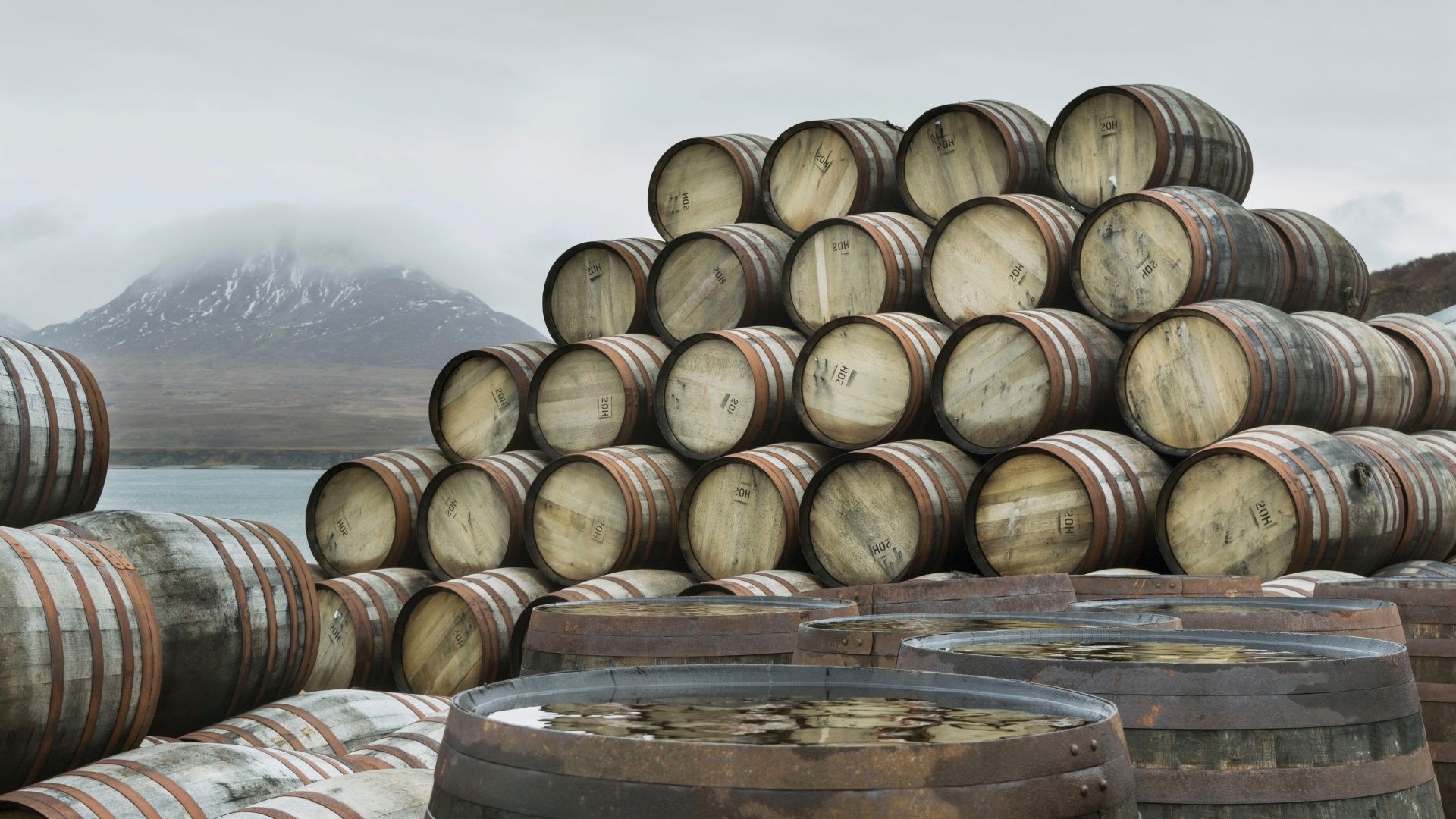
Scotland's island distilleries represent some of the most distinctive and characterful expressions in the whisky world. Scattered across the windswept Atlantic coast and northern archipelagos, these remote producers harness their maritime environments to create whiskies that taste unmistakably of their origins. From the peat-laden giants of Islay to the honeyed malts of Orkney, each island's geography - its water sources, climate, and traditional use of local peat - shapes profoundly different flavor profiles. This journey explores how Scotland's island distilleries transform their rugged landscapes into liquid poetry.
Across Scotland's islands, no two drams taste the same... yet each carries the unmistakable fingerprint of salt air, solitude, and time.
Islay and Skye: Icons of Island Character
Islay, the southernmost island of the Inner Hebrides, reigns as Scotland's undisputed peat capital. The island's boggy terrain provides intensely phenolic peat that, when used in malting, produces whiskies of extraordinary smokiness and maritime character. Laphroaig delivers medicinal, iodine-rich intensity with seaweed notes; Ardbeg crafts supremely smoky yet balanced expressions; and Lagavulin offers rich, sweet peat with dried fruit complexity. Bruichladdich showcases the island's versatility with both unpeated and heavily-peated expressions, while Bowmore and Caol Ila round out this remarkable distilling community.
The Isle of Skye, further north in the Inner Hebrides, presents a softer approach through Talisker, the island's sole distillery. Talisker's whiskies balance robust peppery spice with sweet, smoky notes and a distinctive briny finish - the maritime influence tempered by the Cuillin mountain water that feeds the distillery. Both islands demonstrate how Atlantic proximity and local peat character create unforgettable, place-driven whiskies.
Jura and Orkney: Contrasting Northern Neighbors
Jura, Islay's quieter neighbor separated by a narrow sound, produces an altogether different spirit despite their geographical proximity. The Isle of Jura distillery creates approachable, gently peated malts with nutty, oily characteristics and subtle brine - whiskies that whisper where Islay shouts. The island's towering Paps mountains and softer peat bogs contribute to this mellower profile, proving that even neighboring islands can diverge dramatically in style. Far to the north, Orkney's two distilleries - Highland Park and Scapa - showcase yet another island expression.
Highland Park, one of Scotland's most northerly distilleries, balances delicate Orcadian peat smoke with honeyed sweetness, heather notes, and remarkable complexity, matured in ex-sherry casks that amplify the whisky's fruity richness. Scapa, often overshadowed by its famous neighbor, produces lighter, more delicate malts with citrus and maritime notes. Orkney's unique geography - low-lying, treeless islands with distinctive heather-rich peat - creates whiskies that speak to their isolated, Norse-influenced heritage.
The Remaining Scotch-Producing Islands: Hidden Gems
Beyond the famous names lie Scotland's lesser-known but equally fascinating island distilleries. The Isle of Mull hosts Tobermory (also producing the peated Ledaig expression), crafting fruity, slightly coastal unpeated malts alongside robustly smoky peated versions that reflect the island's varied terrain. The Isle of Arran, Scotland's newest whisky-producing island (established 1995), creates accessible, fruity Highland-style malts at Arran distillery, plus the coastal, peated expressions from Lagg distillery, opened in 2019.
Lewis, in the Outer Hebrides, welcomed Abhainn Dearg in 2008, producing small-batch, heavily-peated whiskies that capture the island's wild Atlantic character. Even smaller operations like Isle of Raasay distillery (opened 2017) between Skye and the mainland are establishing their identities with lightly peated, mineral-rich expressions. Each island's unique microclimate, water source, and peat characteristics ensure that no two island whiskies taste alike - geography remains destiny.
The Takeaway
Scotland's whisky-producing islands offer an extraordinary diversity of flavors, all unified by maritime influence yet distinguished by local terroir. From Islay's peat powerhouses to Orkney's honeyed sophistication, from Jura's gentle character to the emerging voices of newer island distilleries, these remote producers prove that place matters profoundly in whisky production. Their whiskies invite exploration, rewarding those willing to journey - whether physically or through the glass - to Scotland's spectacular island coasts. Each dram carries the story of its island home: the salt spray, the peat smoke, the ancient traditions maintained by passionate communities who continue transforming their challenging environments into world-class spirits.